liberta
Liberta began with what had already been discarded.
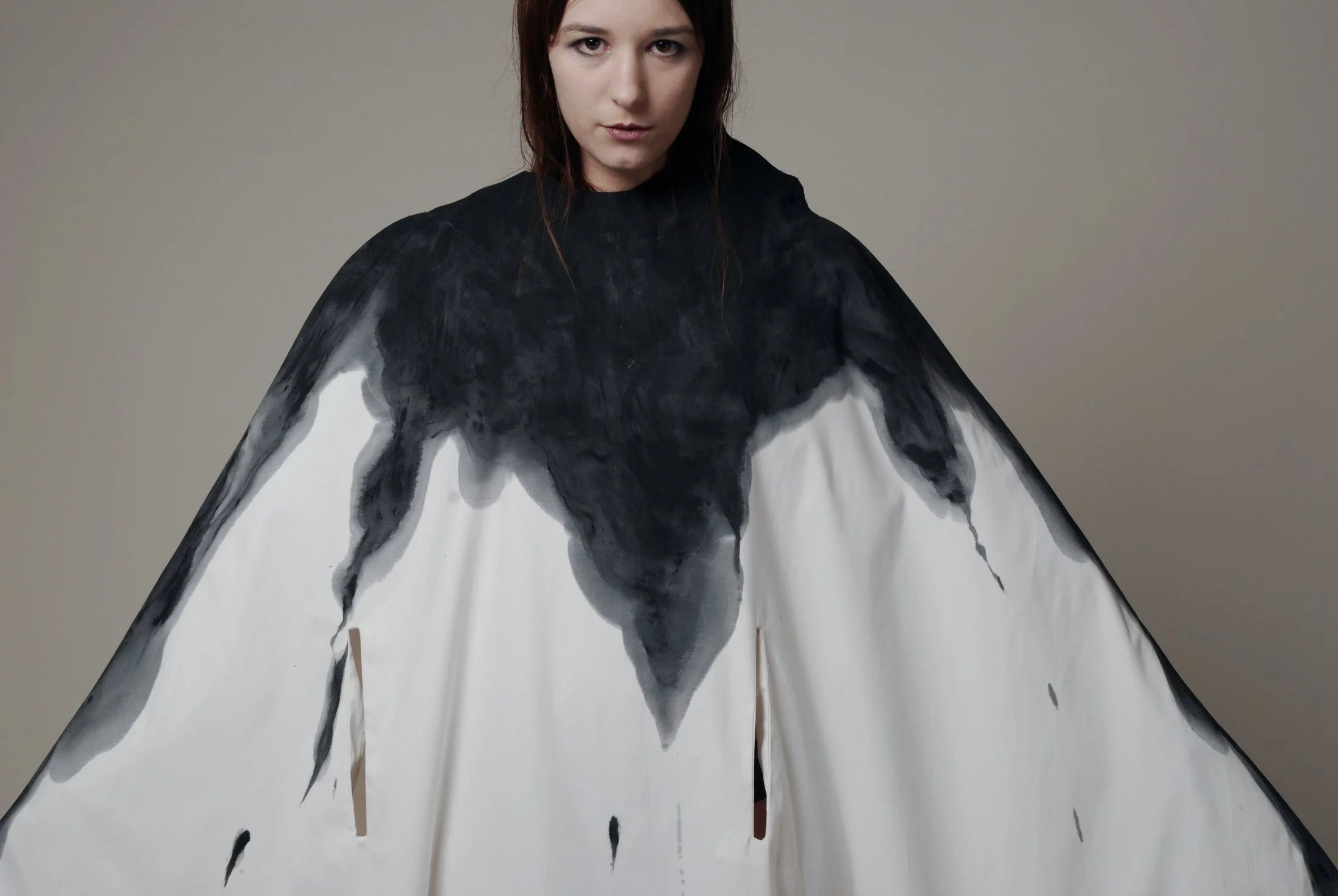
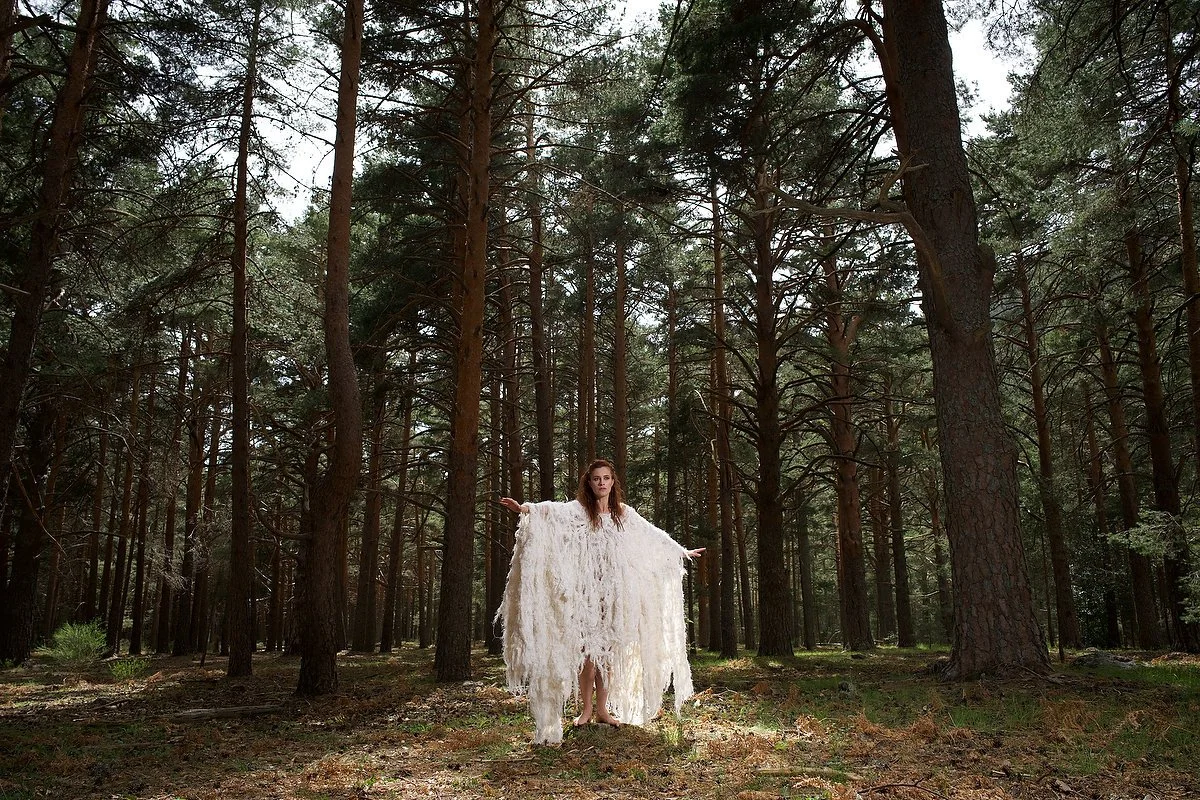
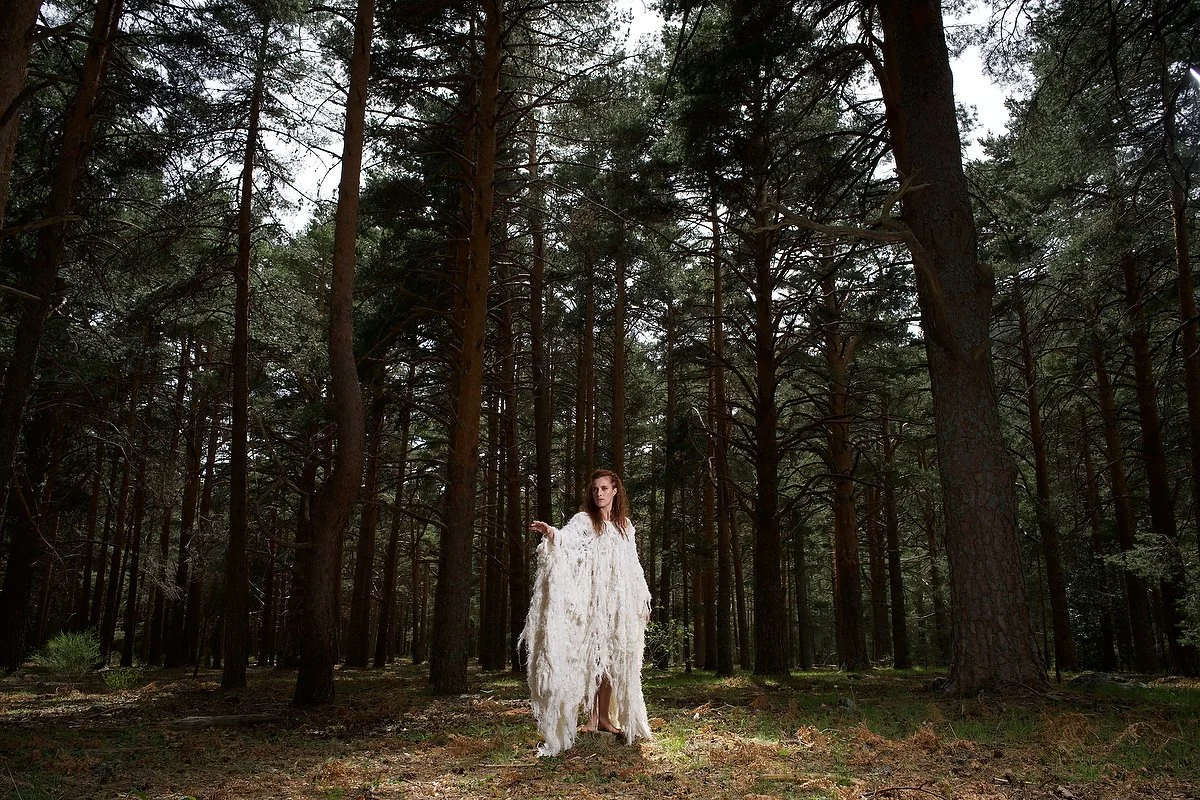
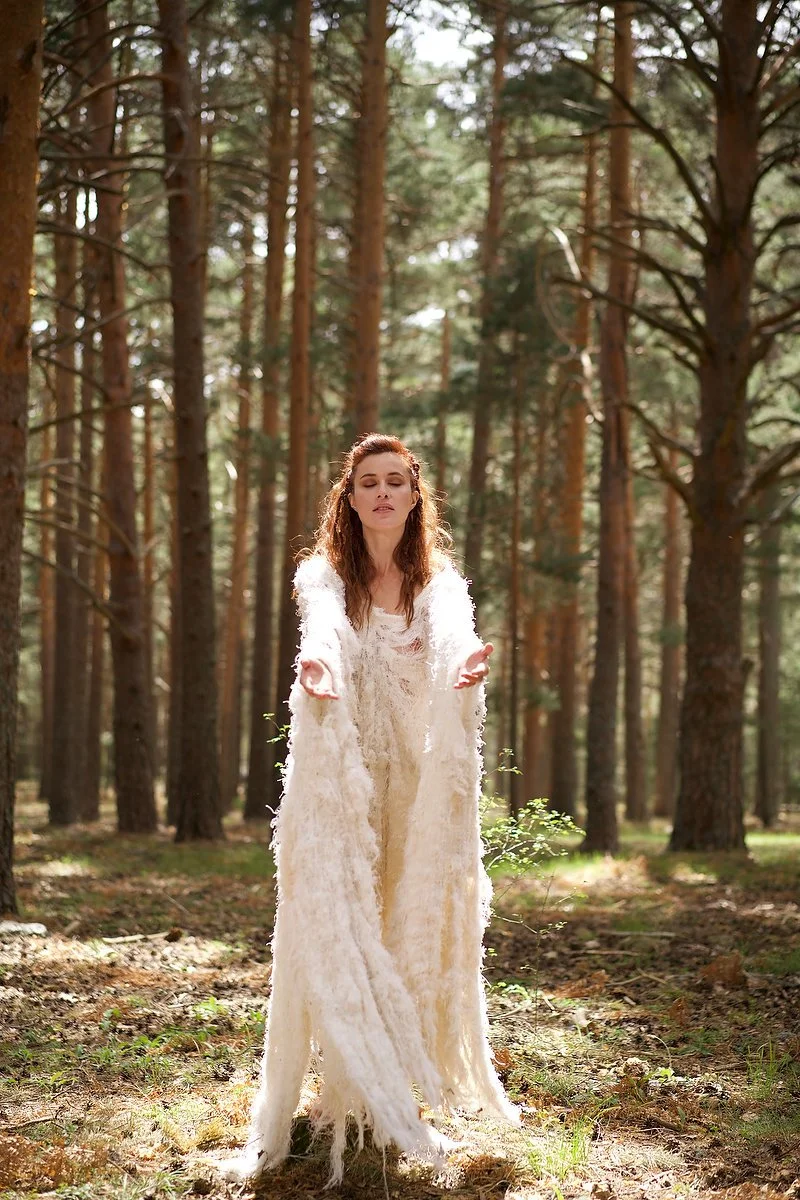
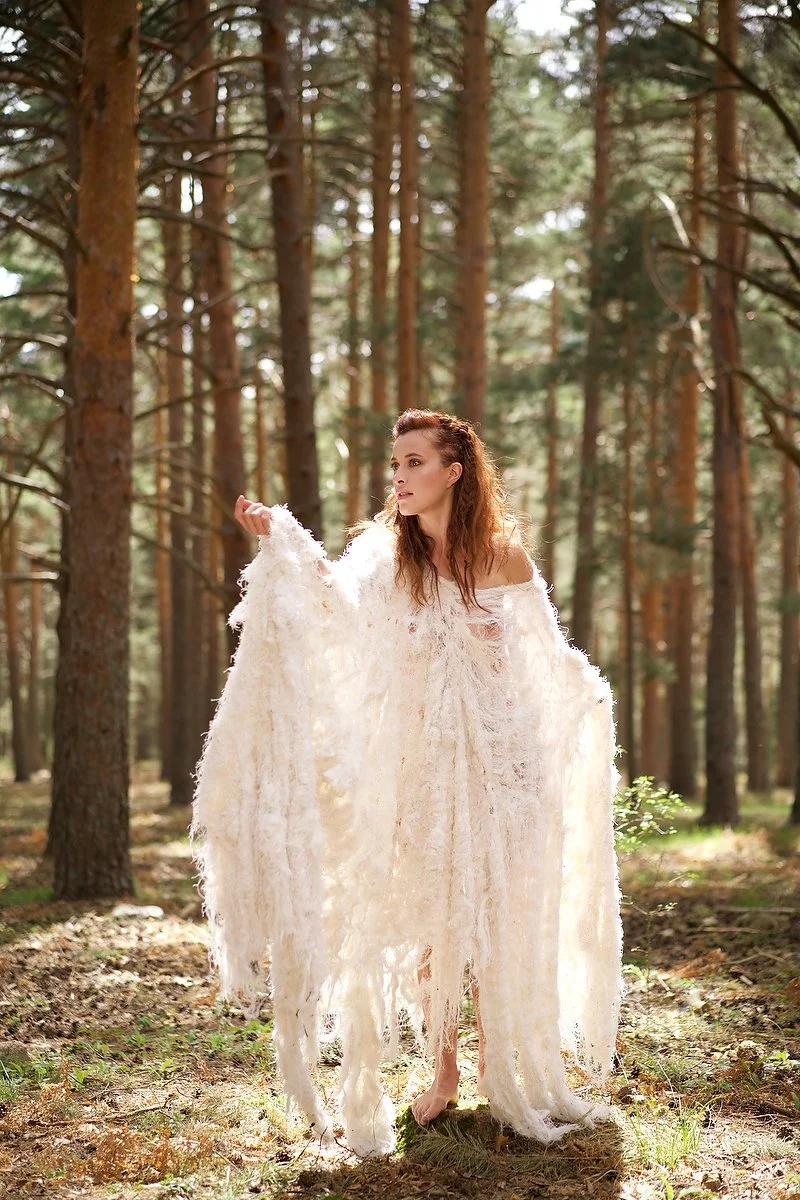
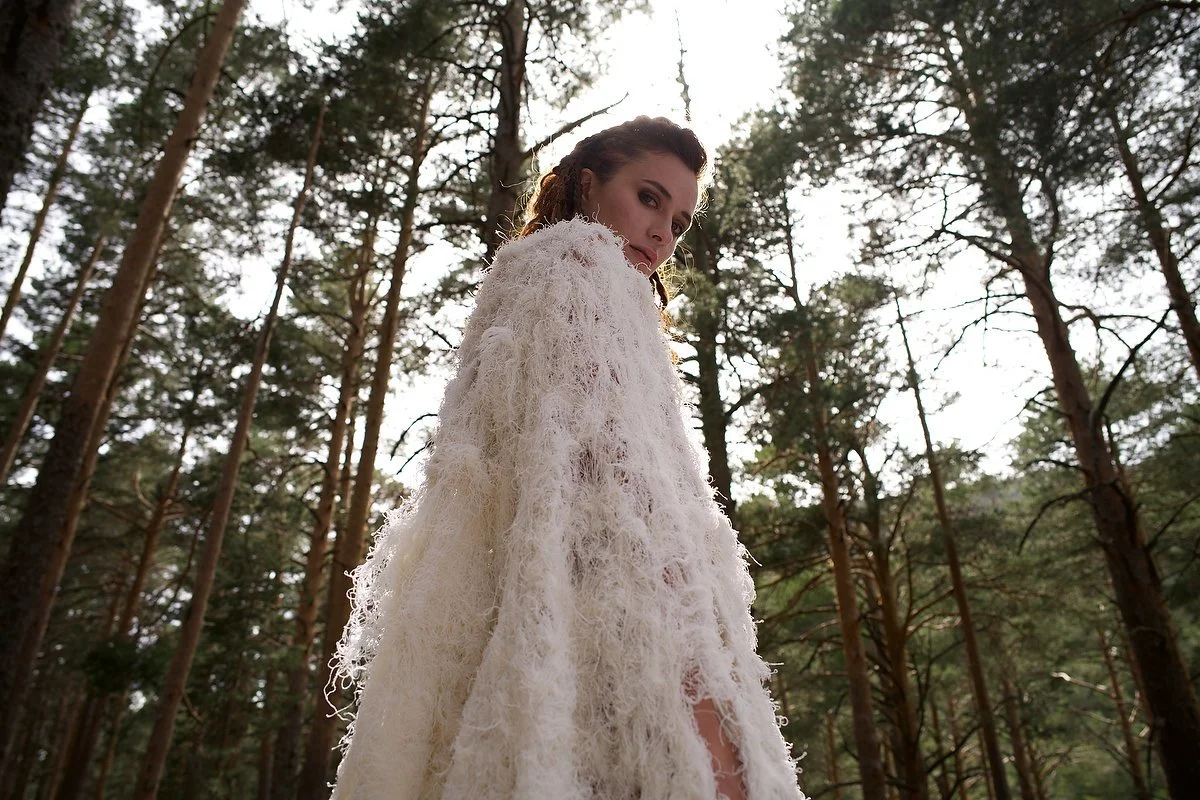
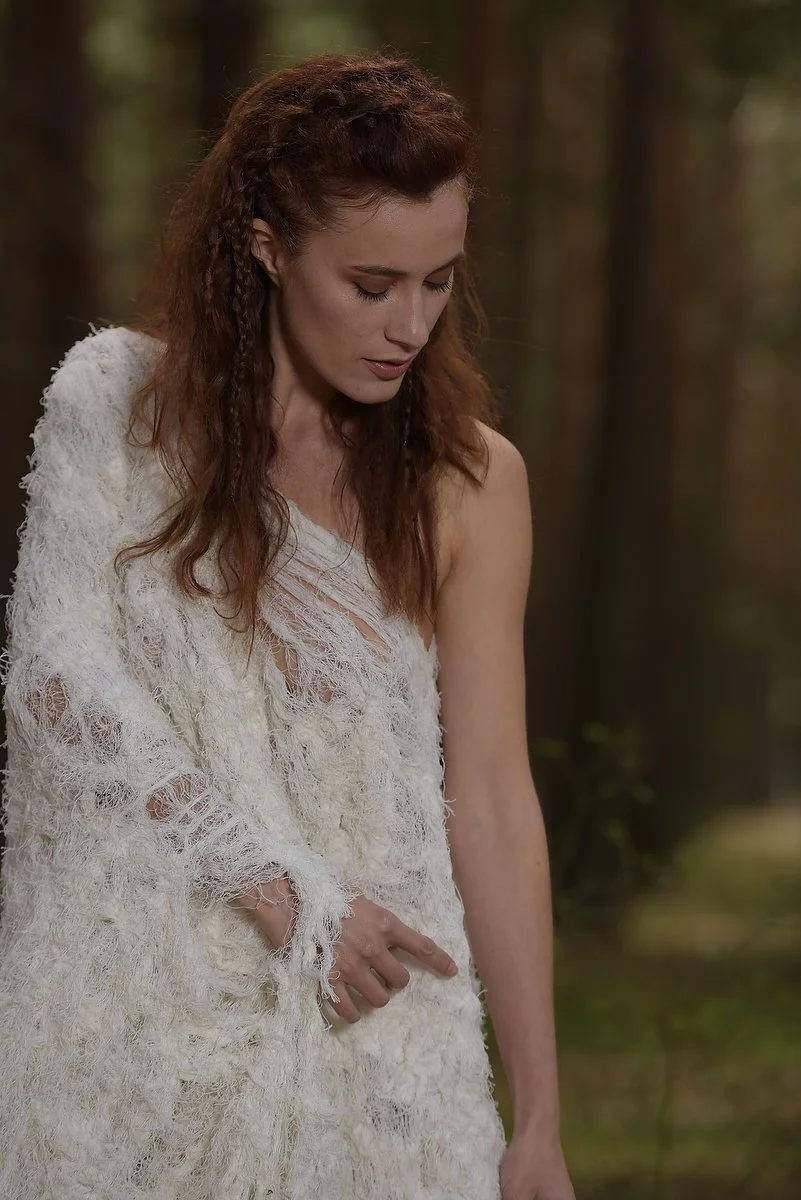
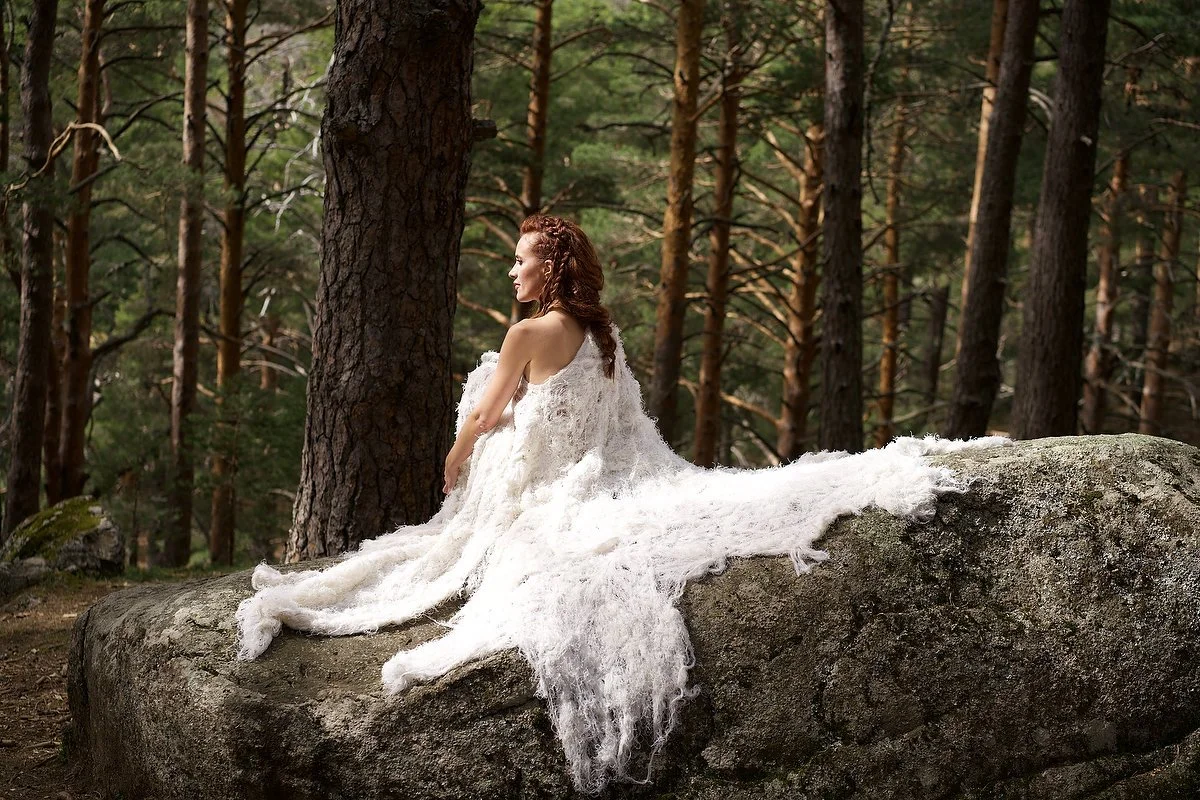
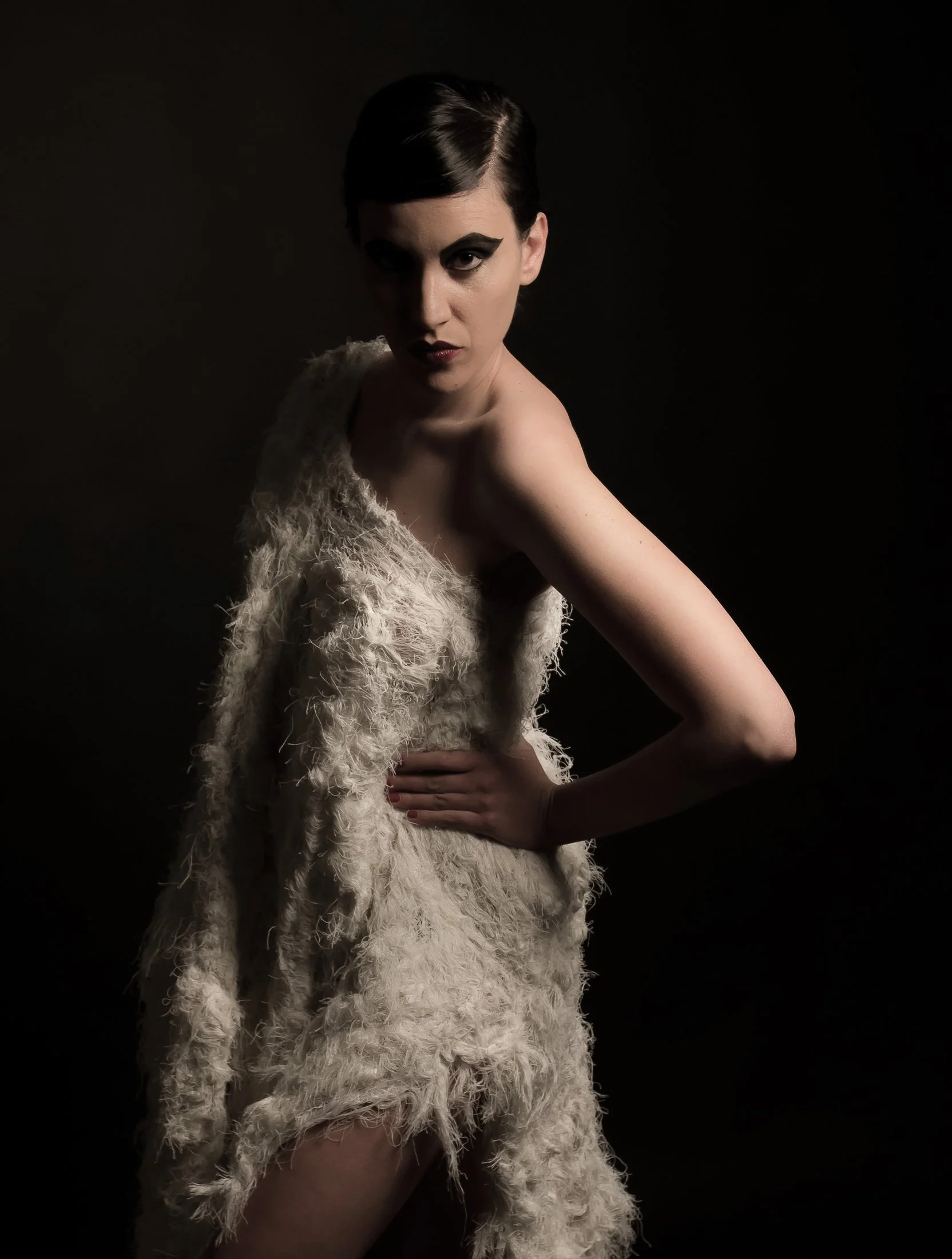
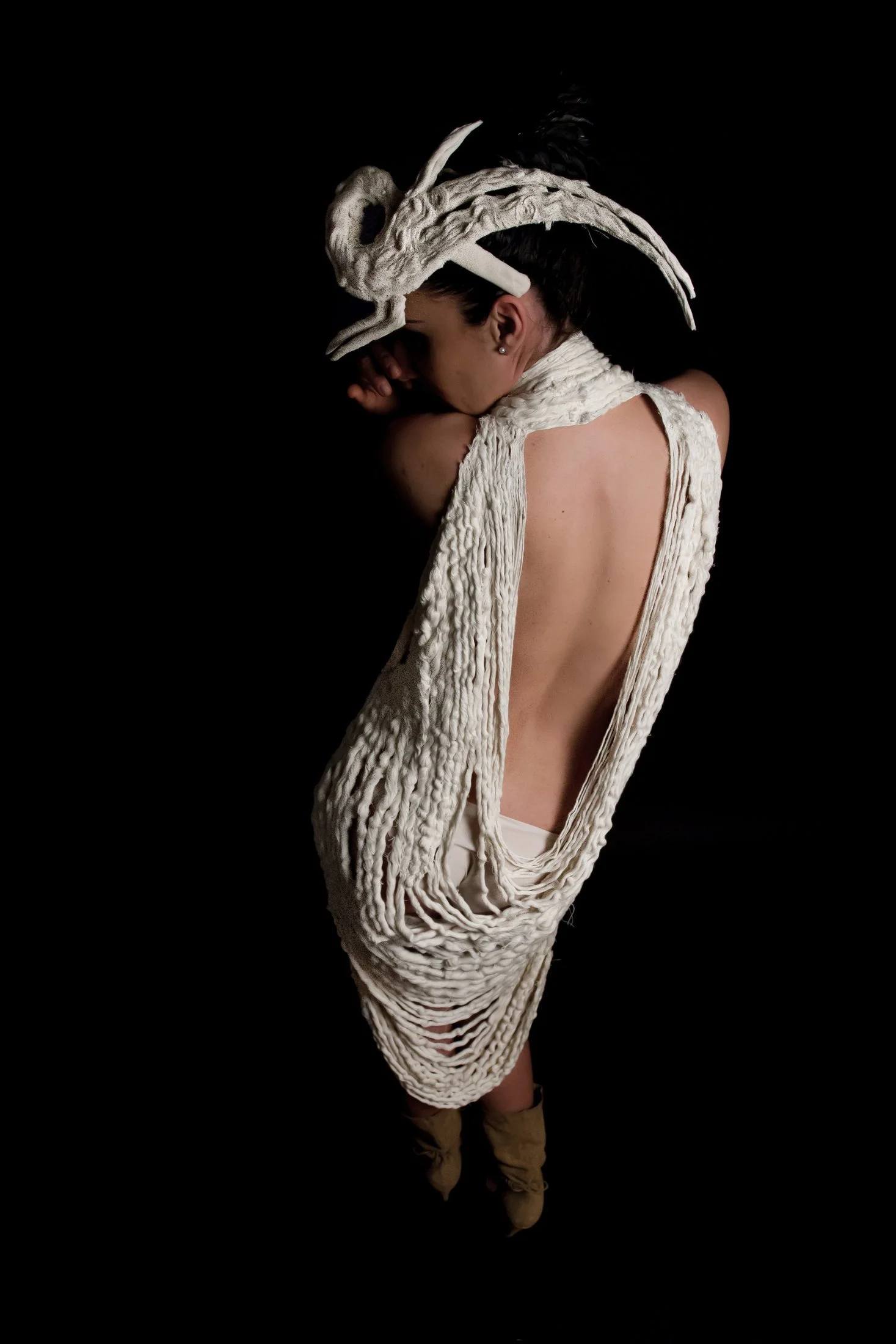
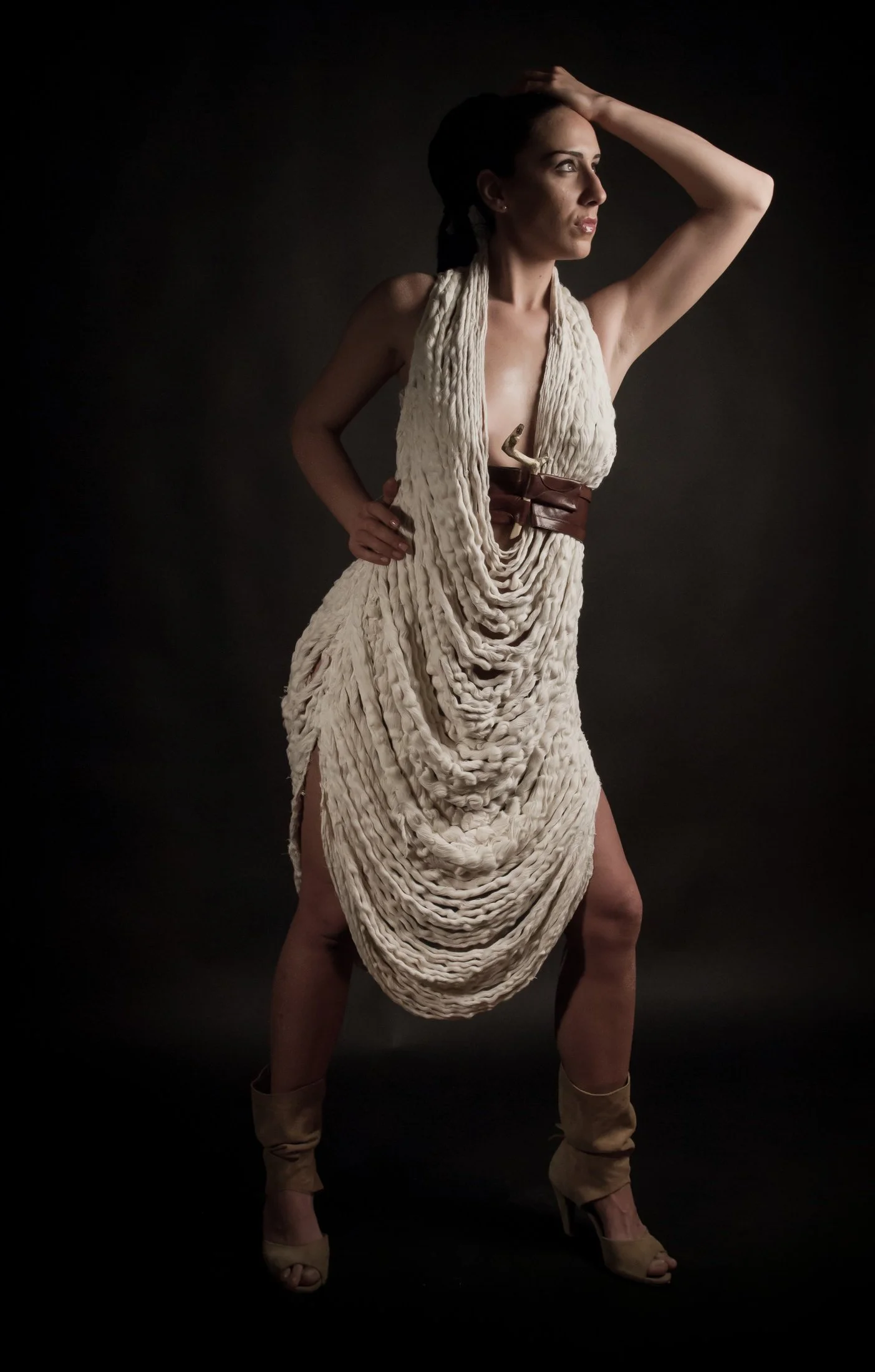
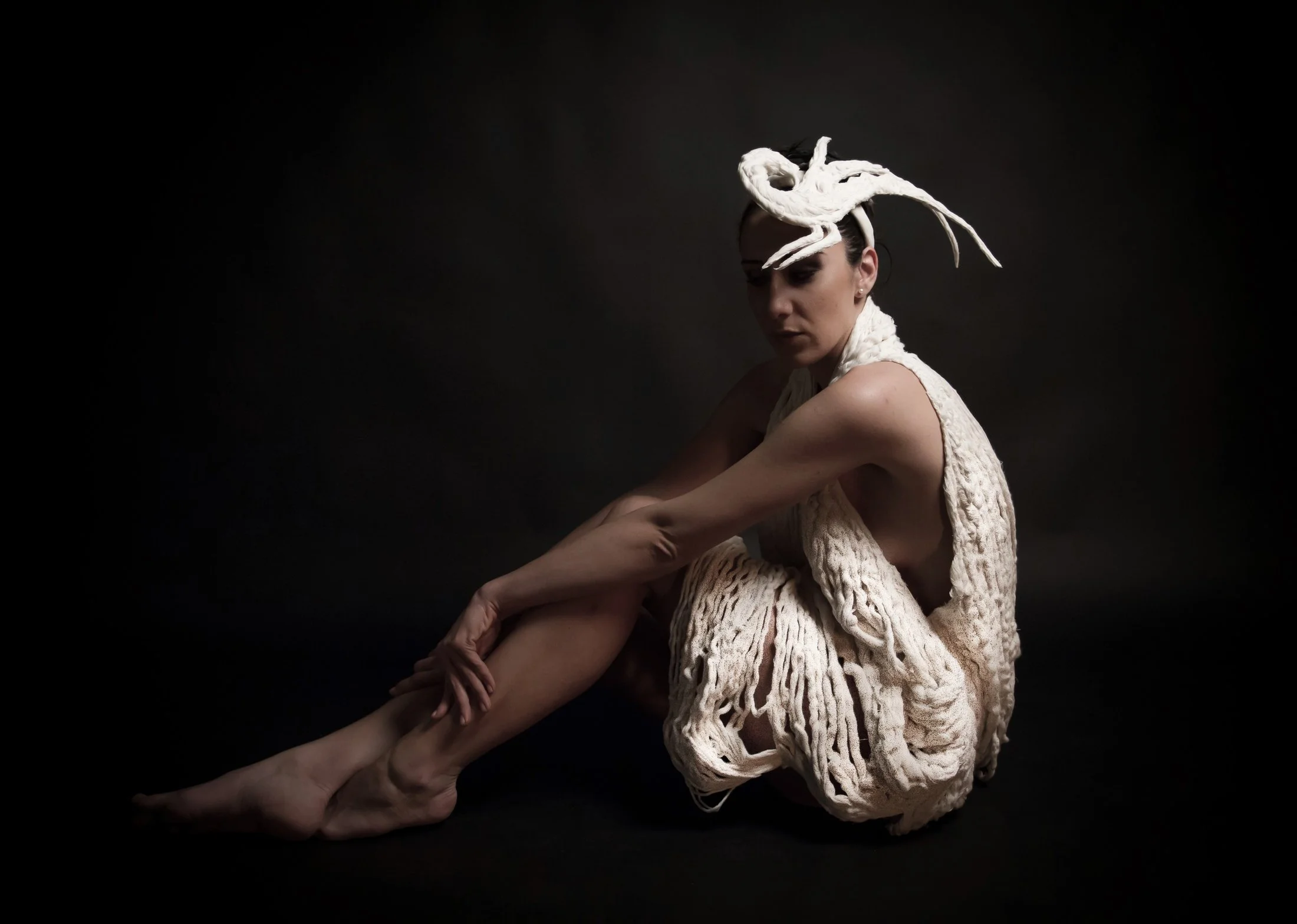
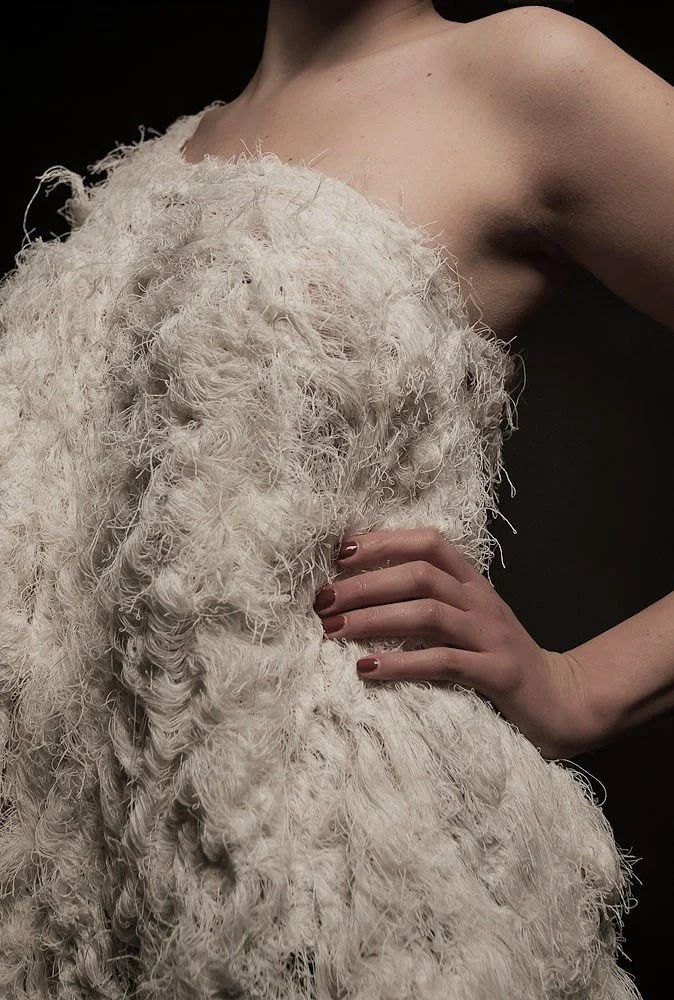
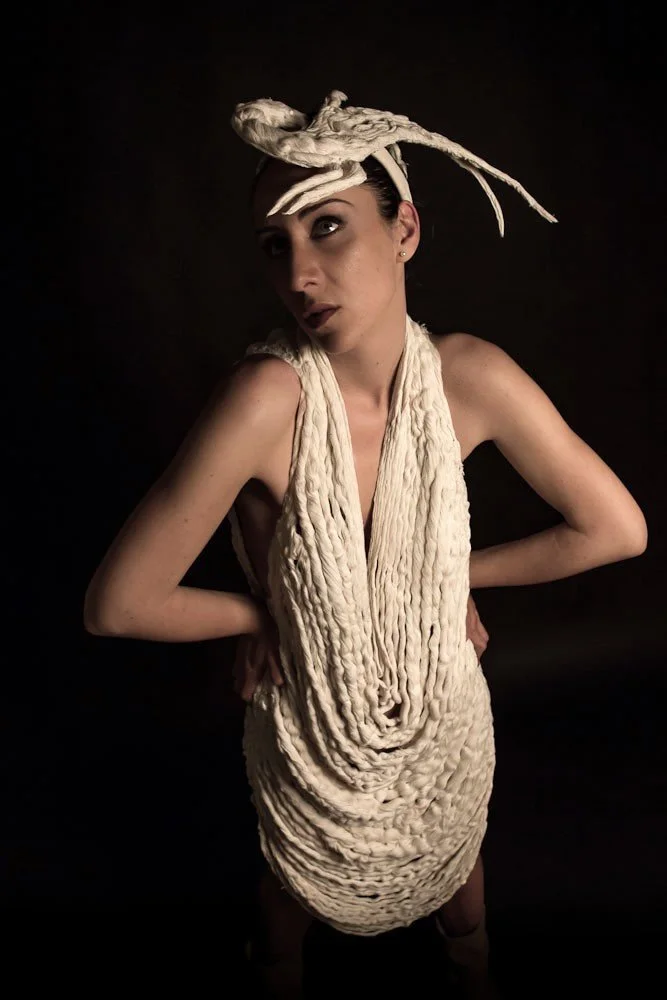
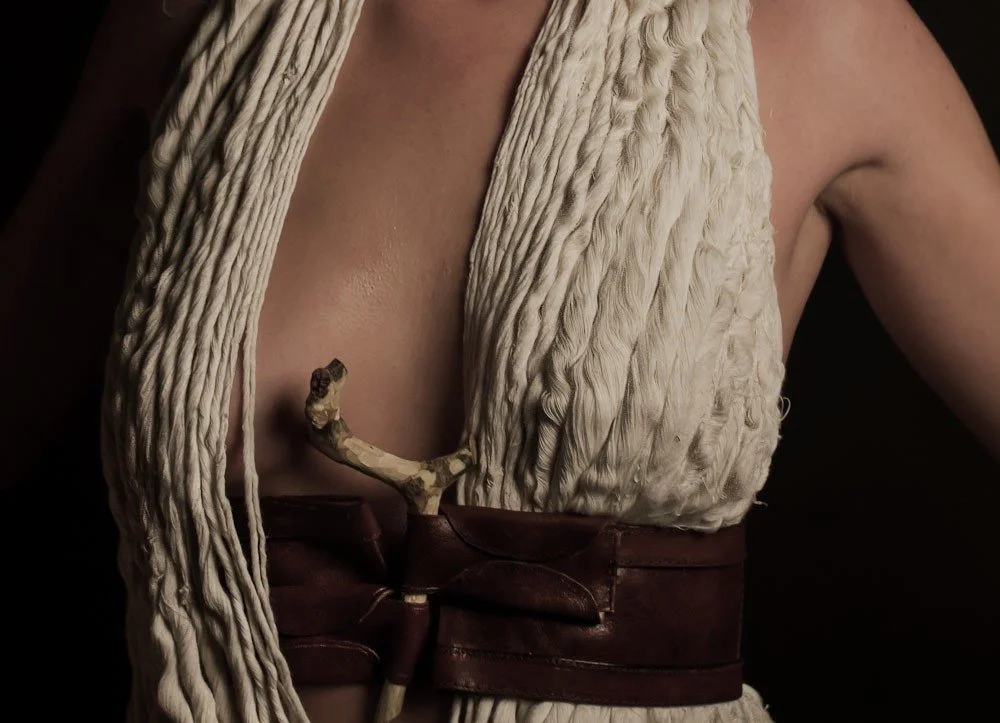
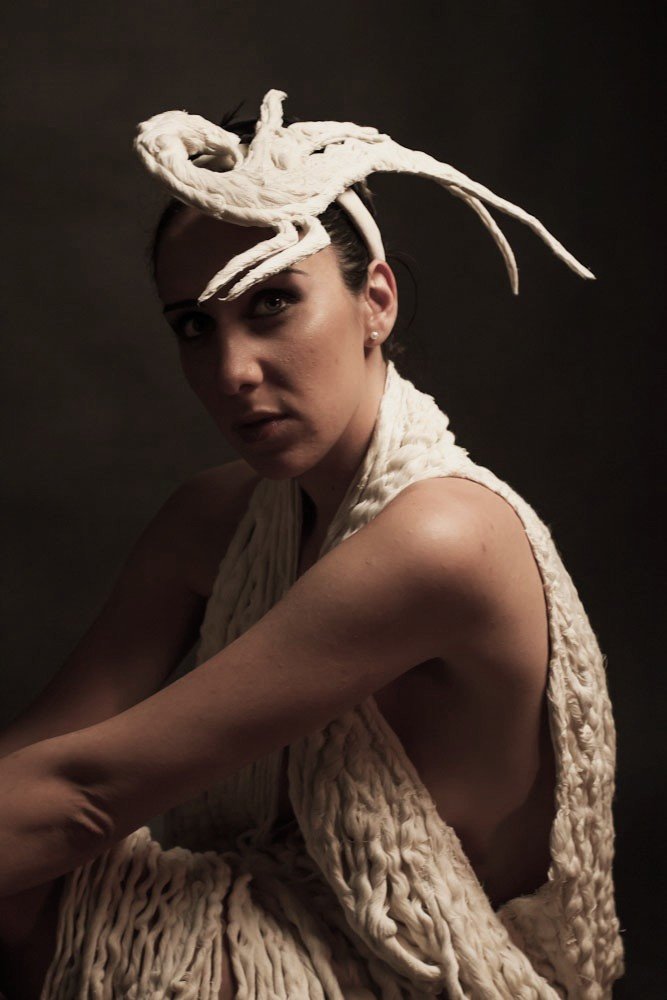
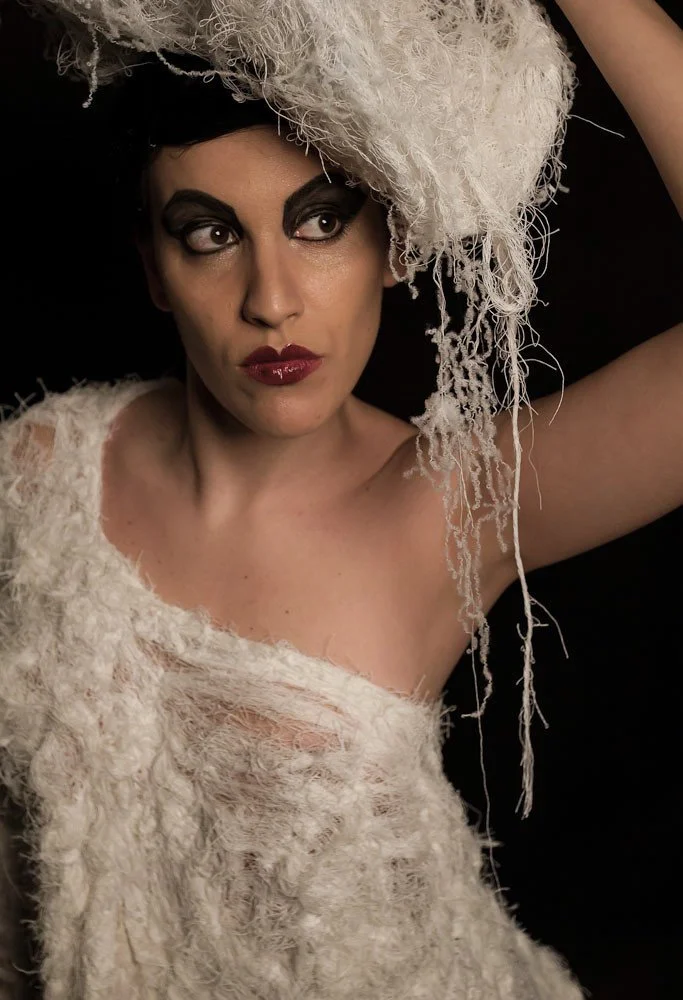
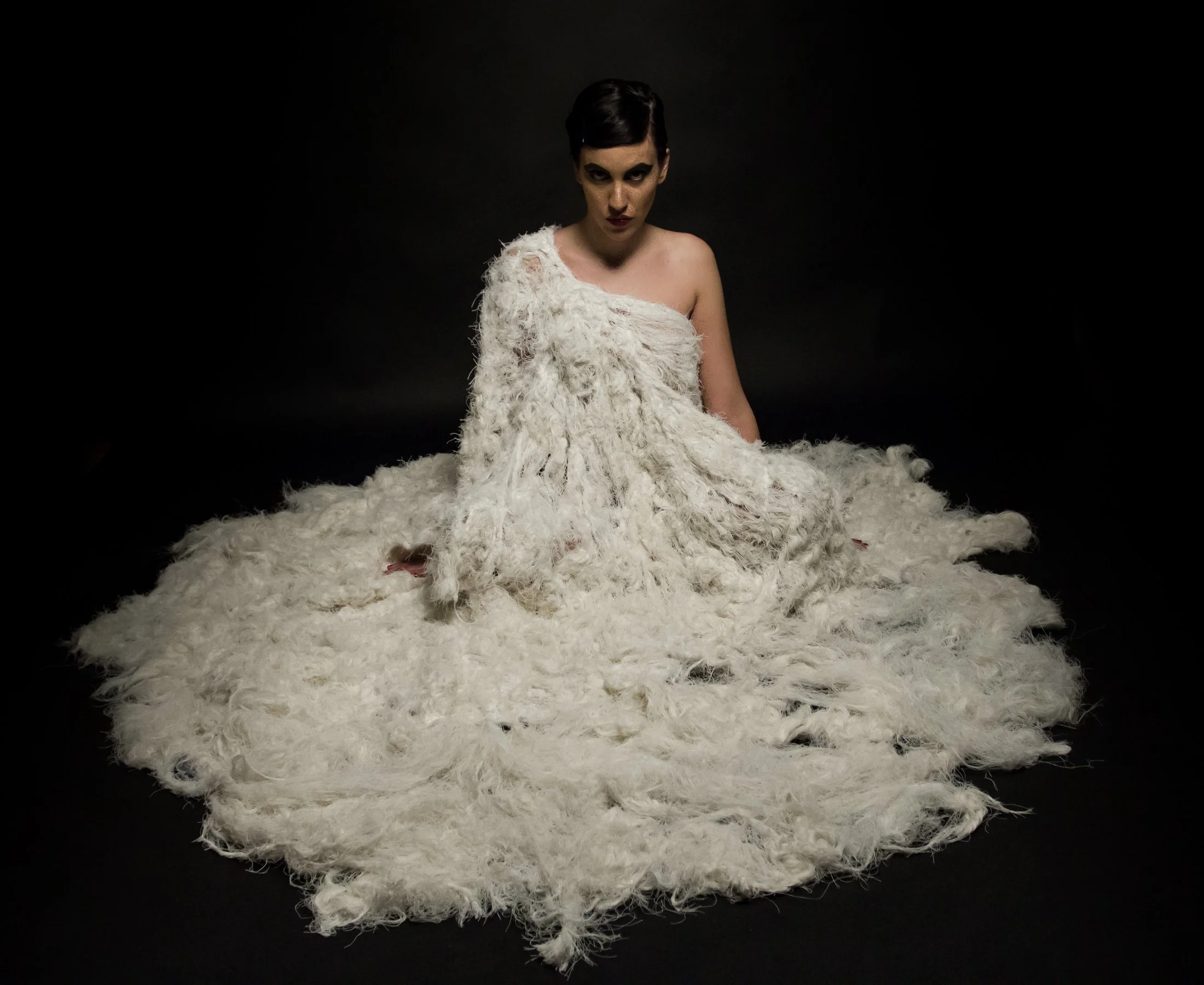
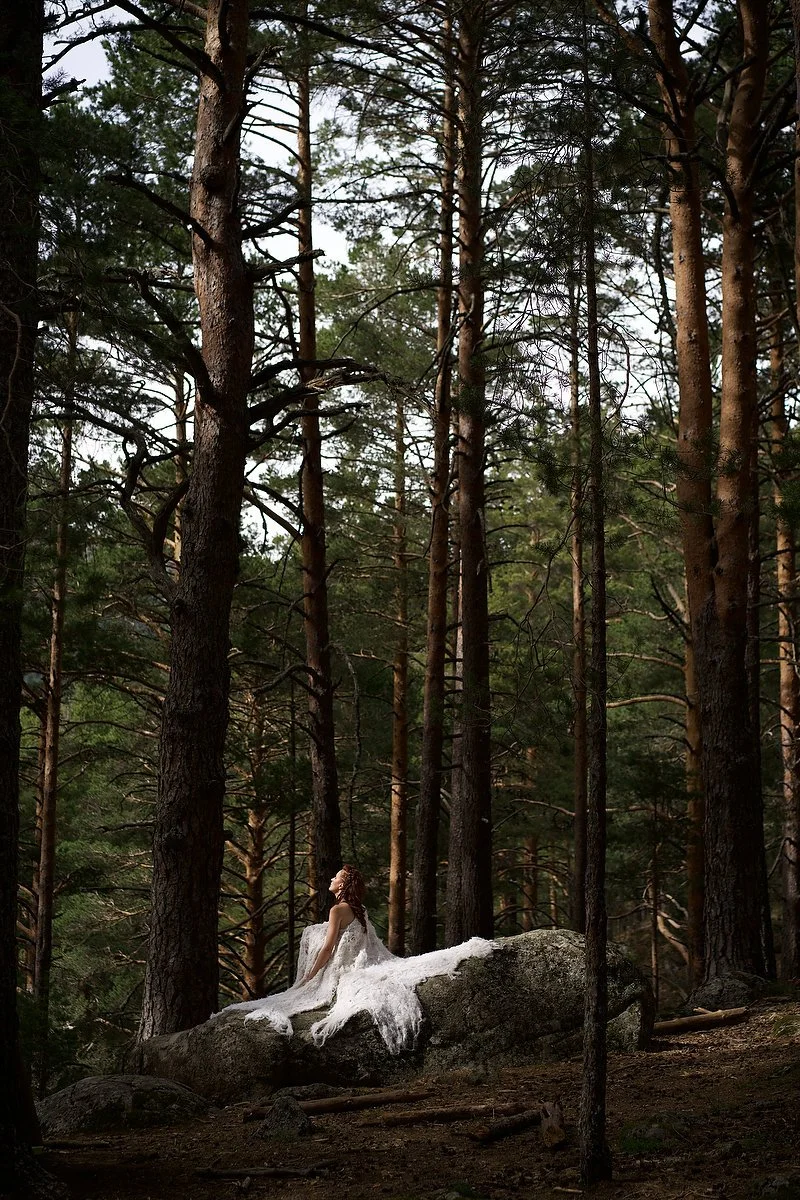
Created in Italy from white industrial textile remnants supplied by Klopman, Liberta is a conceptual fashion project that transforms manufacturing waste into garments that carry memory rather than ornament. What industry left behind became, in my hands, a starting point for something else entirely.
Liberta is not simply the Italian word for freedom; it is an ongoing process of releasing inherited identities, visual languages, and expectations that we no longer question.
Liberta began with what had already been discarded.
Created in Italy from white industrial textile remnants supplied by Klopman, Liberta is a conceptual fashion project that transforms manufacturing waste into garments that carry memory rather than ornament. What industry left behind became, in my hands, a starting point for something else entirely.
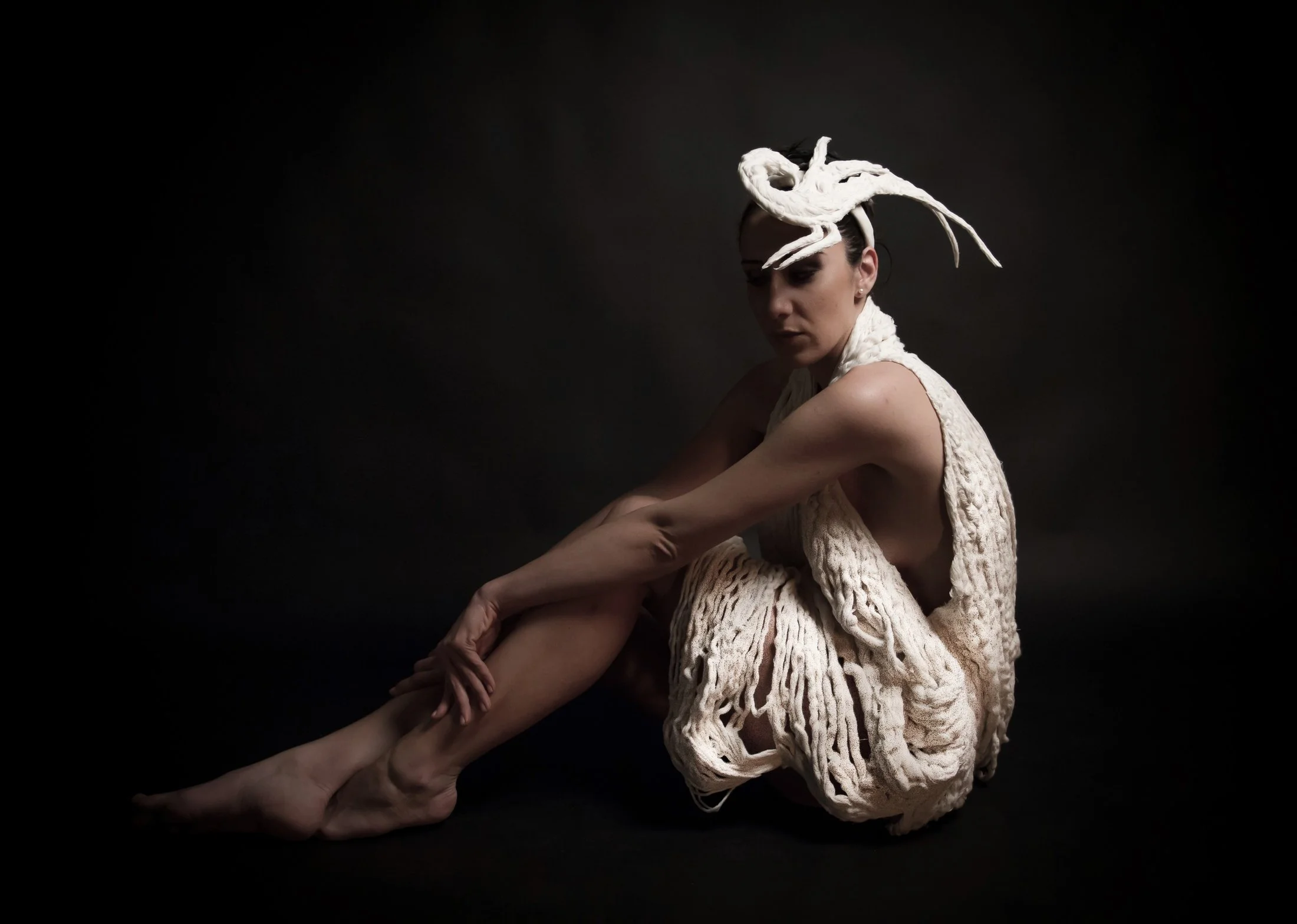
Liberta is not simply the Italian word for freedom; it is an ongoing process of releasing inherited identities, visual languages, and expectations that we no longer question.
Originally consisting of two garments, Liberta has continued to evolve across performances, exhibitions, and changing contexts. Over time, it became the foundation of Zara Saberi's artistic practice and the beginning of a more reduced visual vocabulary—quieter in form, stripped of excess, yet carrying greater emotional weight.
Emerging during a period of personal and cultural transition, Liberta inhabits the space between memory and becoming.
Its white surfaces suggest neither purity nor absence, but possibility: a place where identity begins to loosen from what it has been, without yet knowing what it will become.
Originally consisting of two garments, Liberta has continued to evolve across performances, exhibitions, and changing contexts. Over time, it became the foundation of Zara Saberi's artistic practice and the beginning of a more reduced visual vocabulary—quieter in form, stripped of excess, yet carrying greater emotional weight.
Emerging during a period of personal and cultural transition, Liberta inhabits the space between memory and becoming.
Its white surfaces suggest neither purity nor absence, but possibility: a place where identity begins to loosen from what it has been, without yet knowing what it will become.




Photography
Martina Garofali (Milan Series)
Photography & Film
Manuel Fiestas (Madrid Series, 2016)
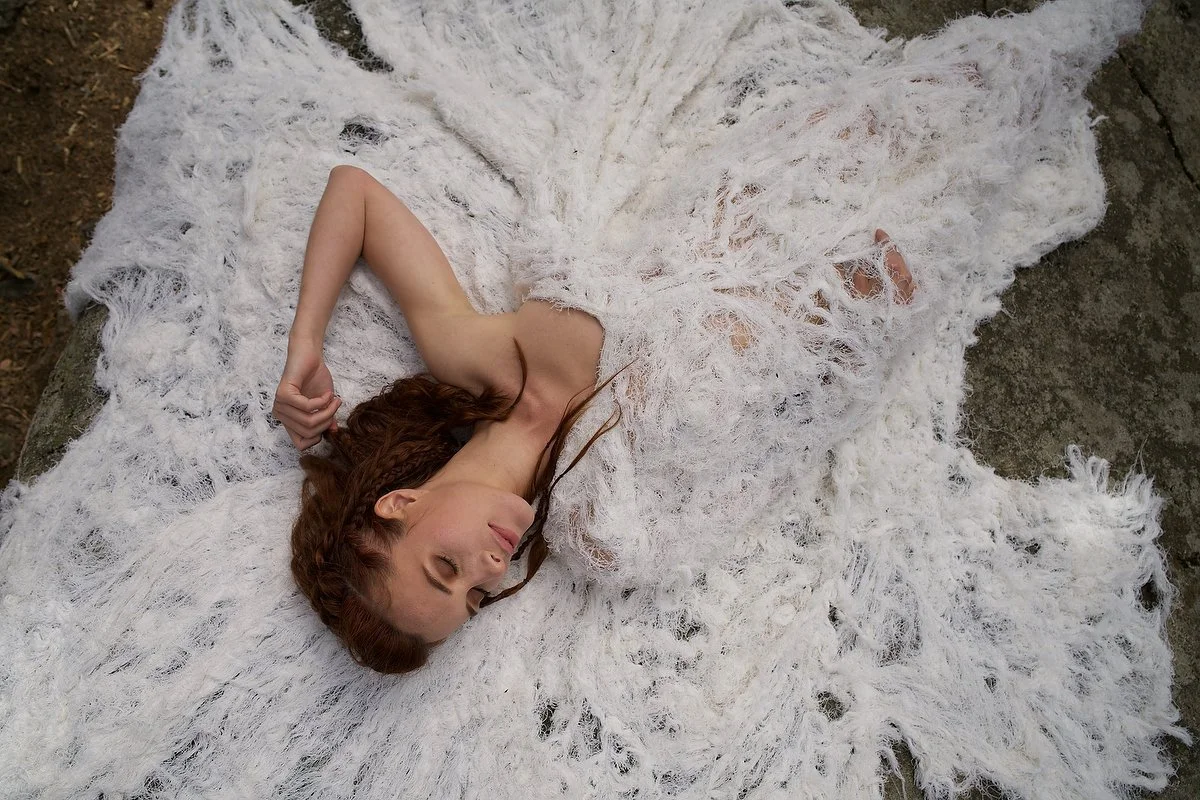
Liberta began with what had already been discarded
.
Liberta began with what had already been discarded .