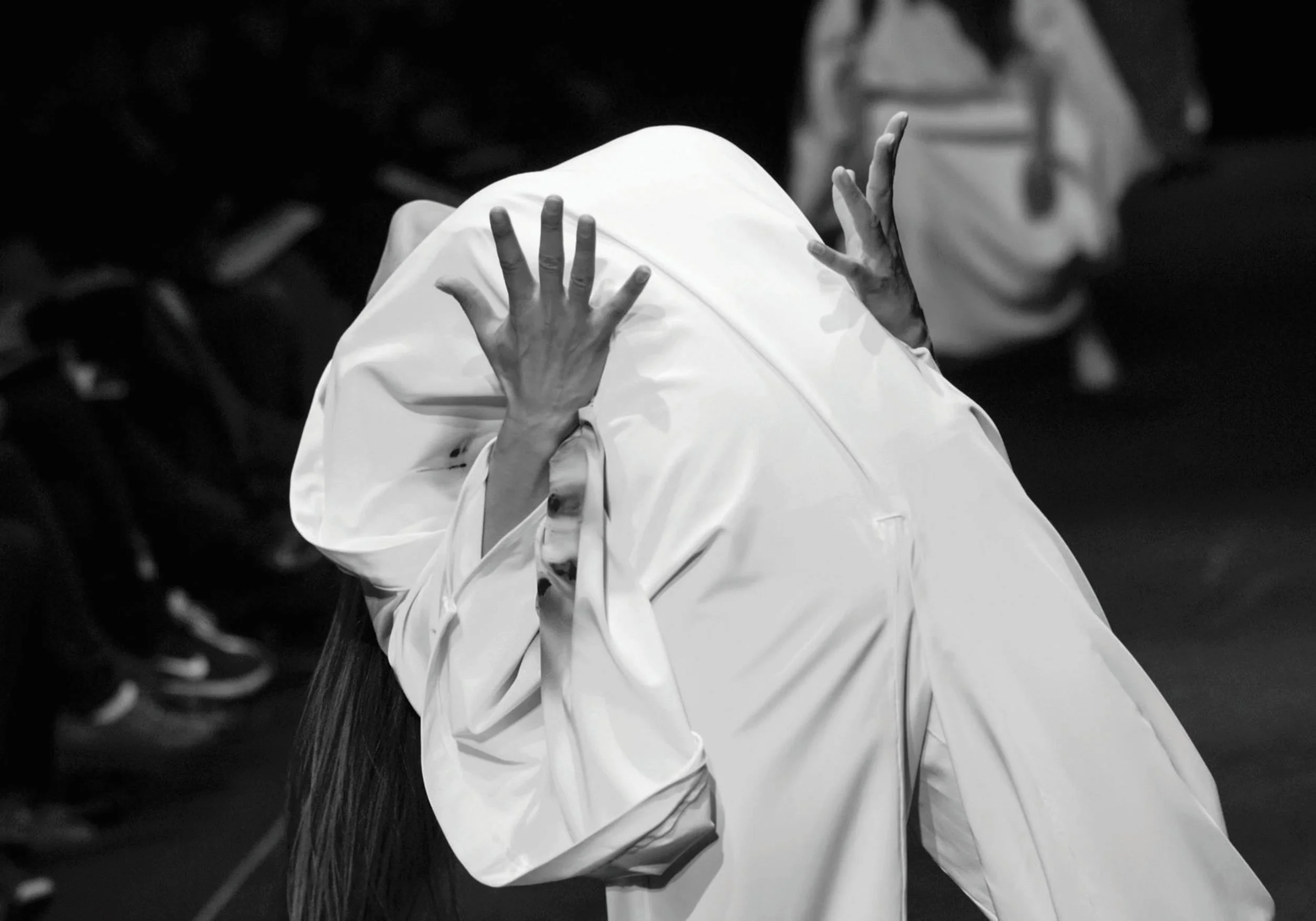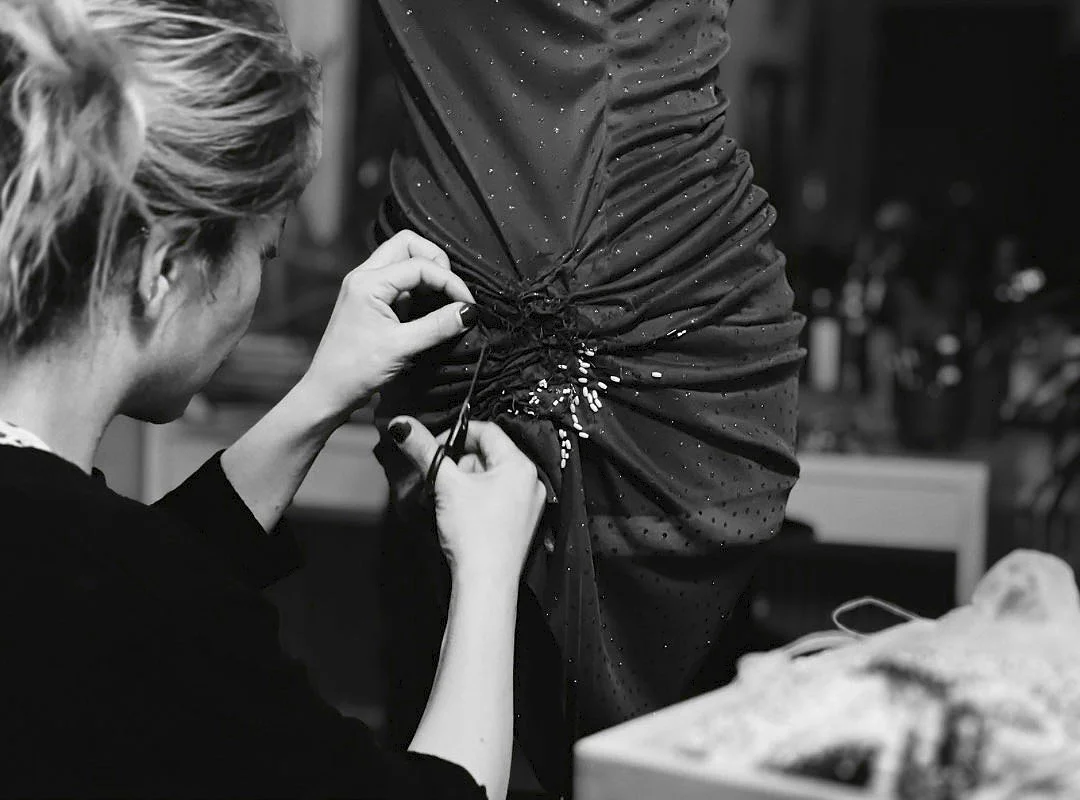
Italy marked a turning point in her relationship with fashion. Garments became spaces for transformation and experimentation rather than finished decorative objects.
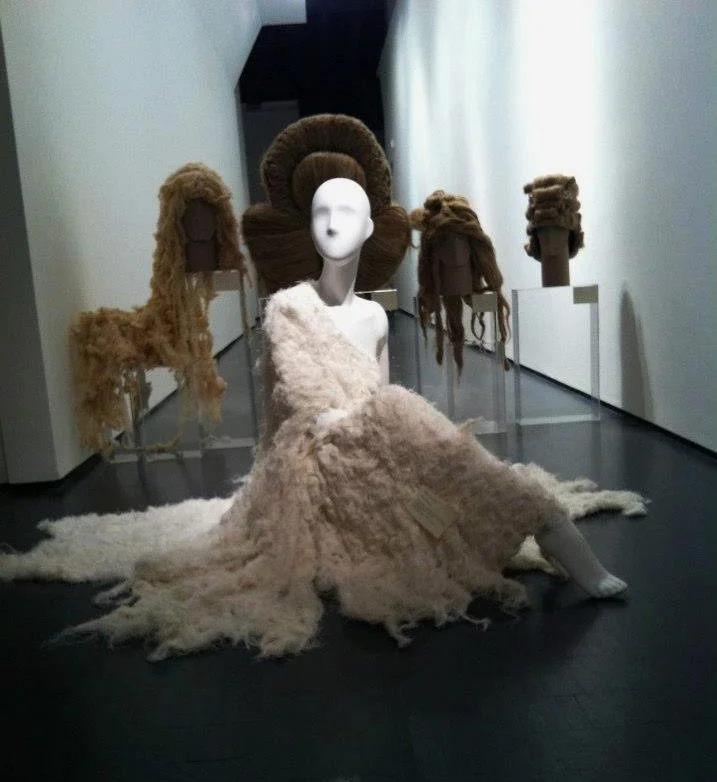
While in Milan, Zara Saberi received an award in the national competition Fashion in Fibre Recovery ,and her work was exhibited at Triennale Milano Museum, marking an early international recognition of her practice.
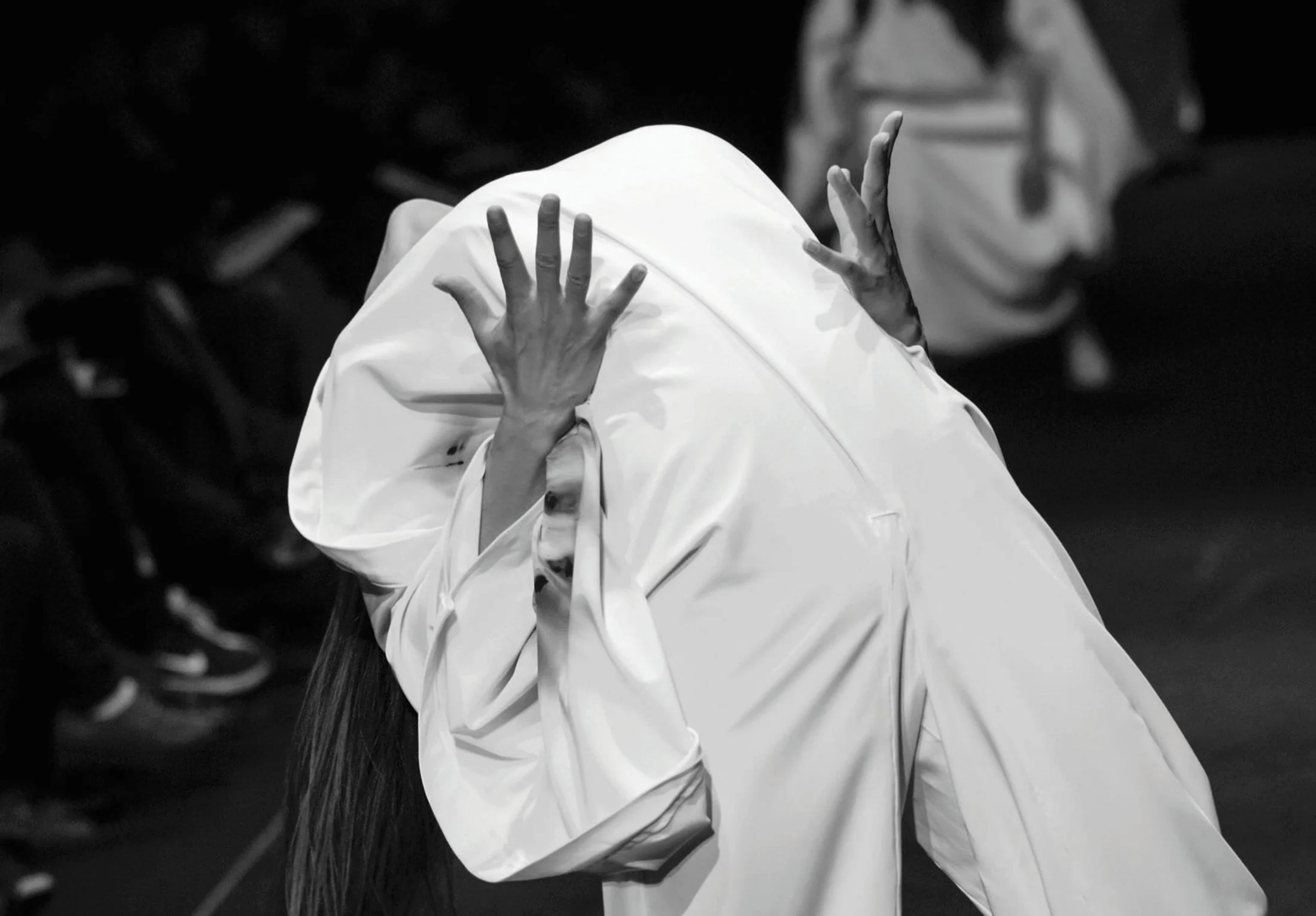
Italy marked a turning point in her relationship with fashion. Garments became spaces for transformation and experimentation rather than finished decorative objects.
Later in Sweden, she studied Product Development Design, expanding her practice beyond garments and deepening her understanding of concept, production, and audience.
Italy marked a turning point in her relationship with fashion. Garments became spaces for transformation and experimentation rather than finished decorative objects.
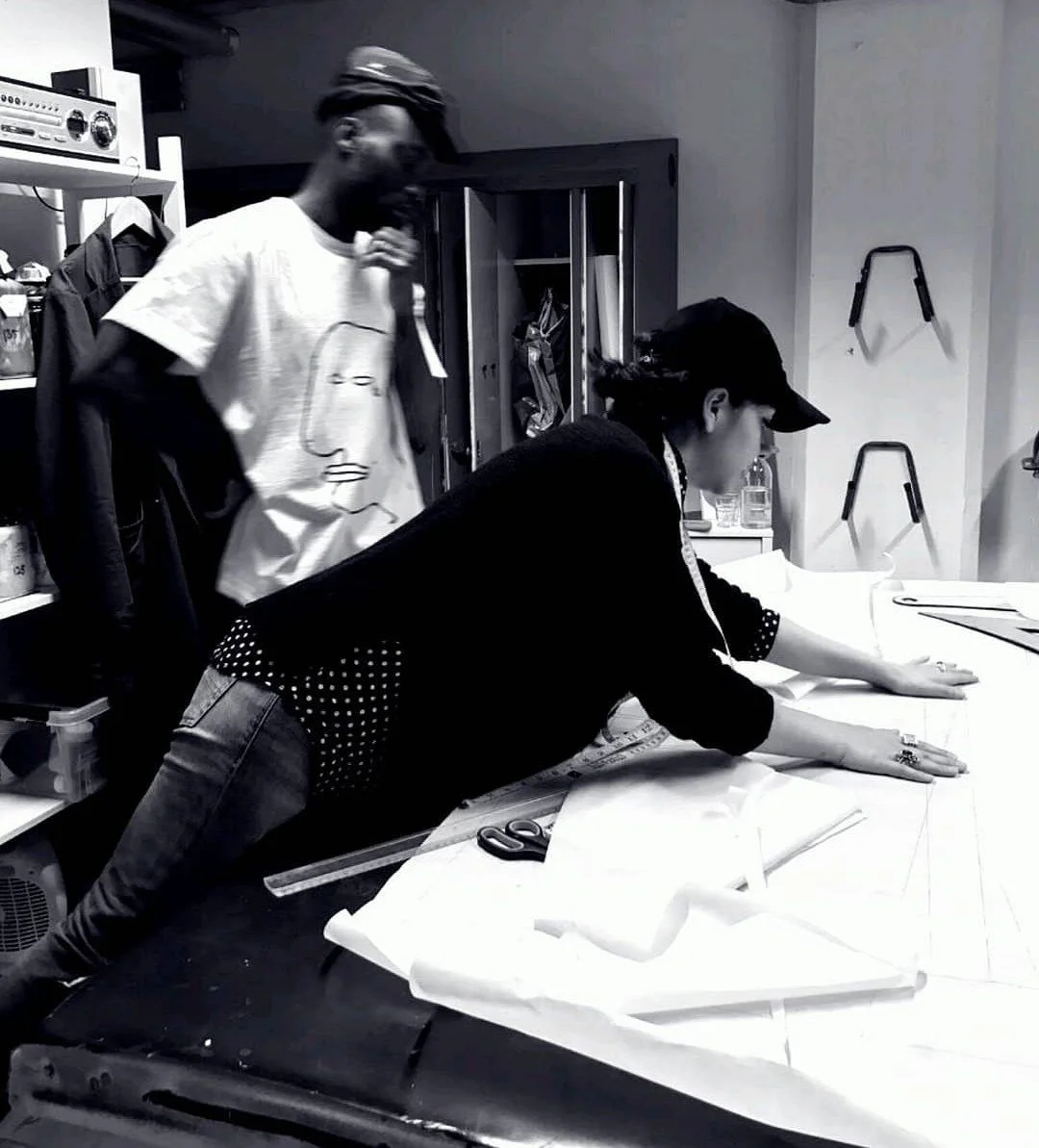
She later completed a Bachelor's degree in textile and fashion design, specializing in pattern-making and fabric development.
She later completed a Bachelor's degree in textile and fashion design, specializing in pattern-making and fabric development.
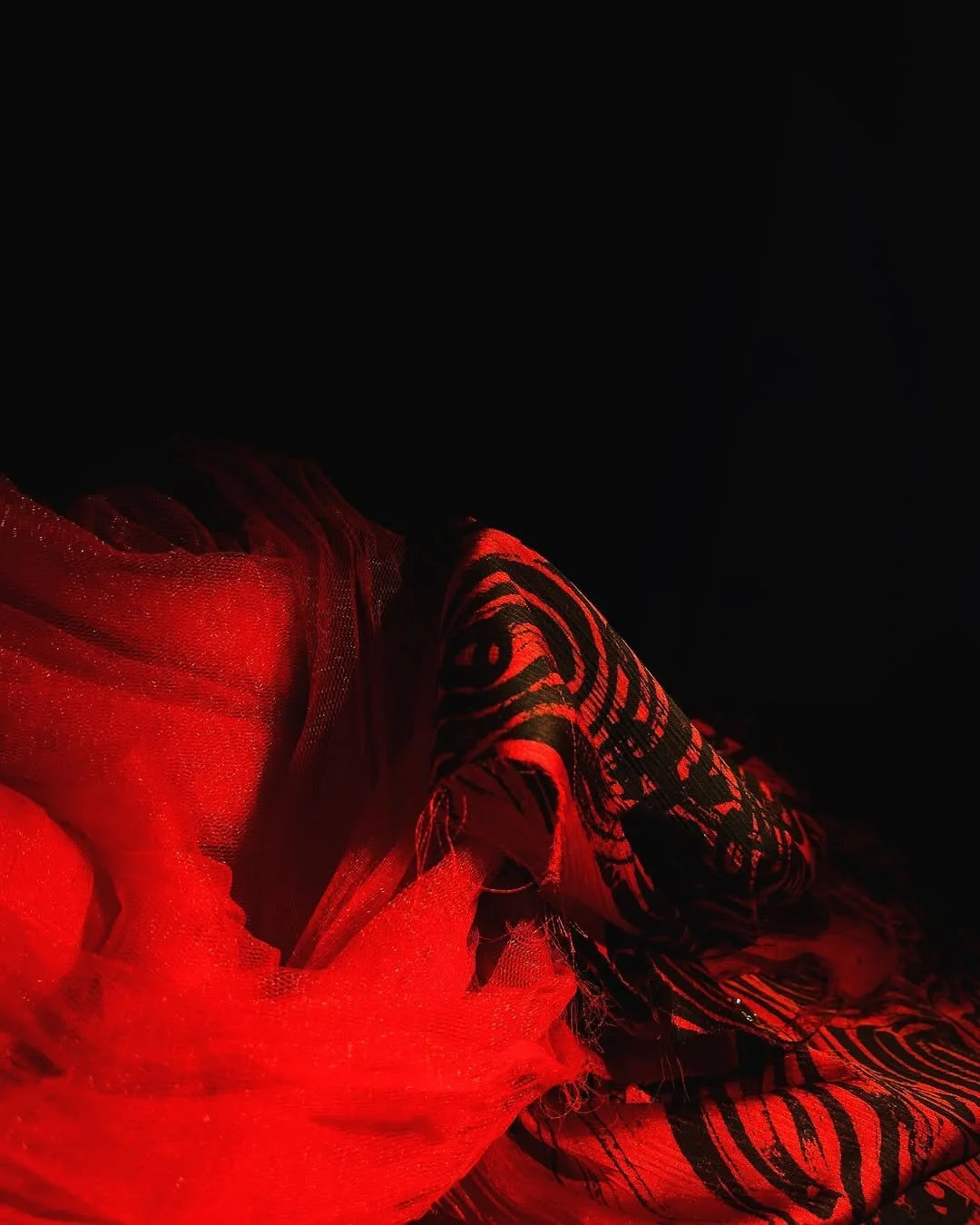
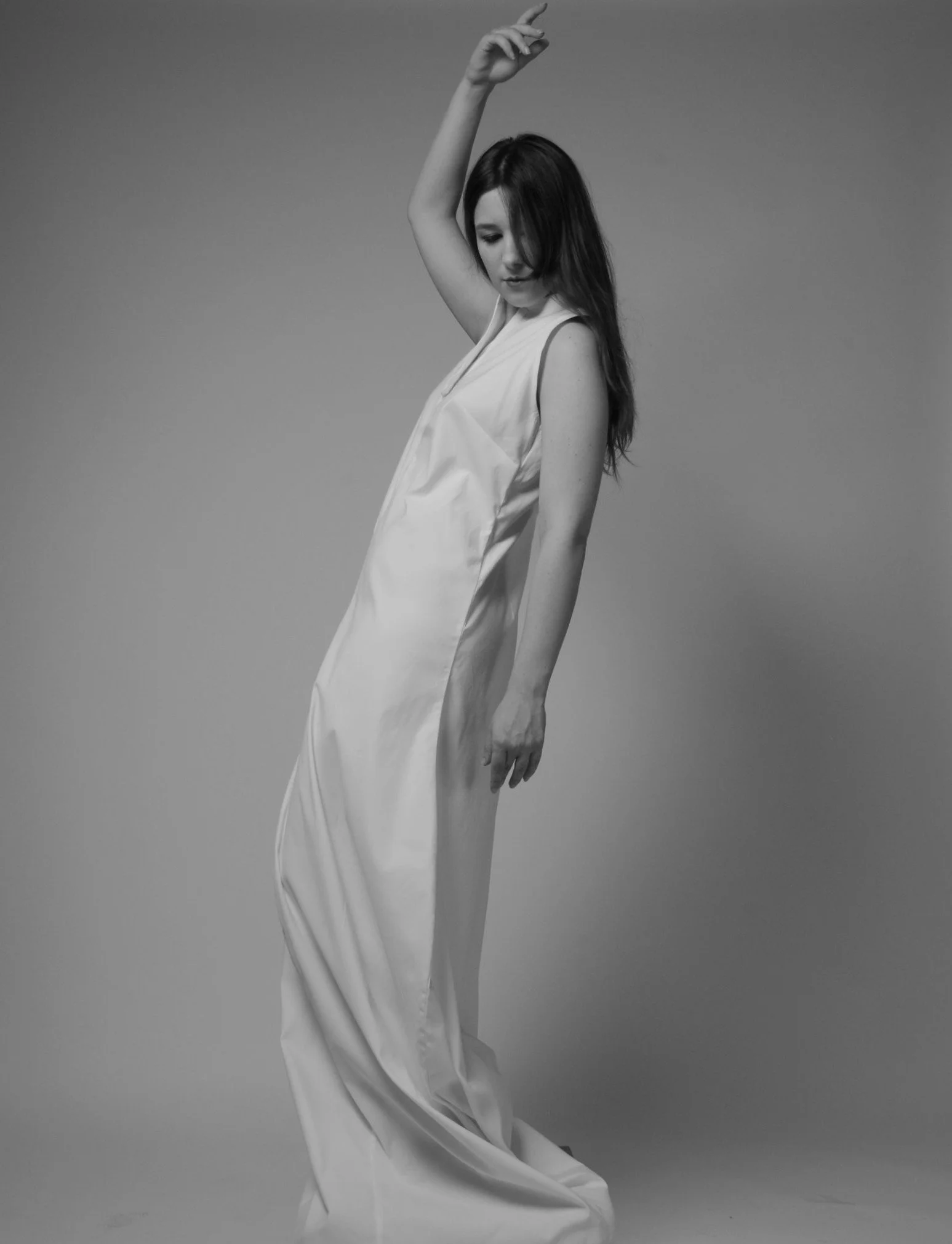

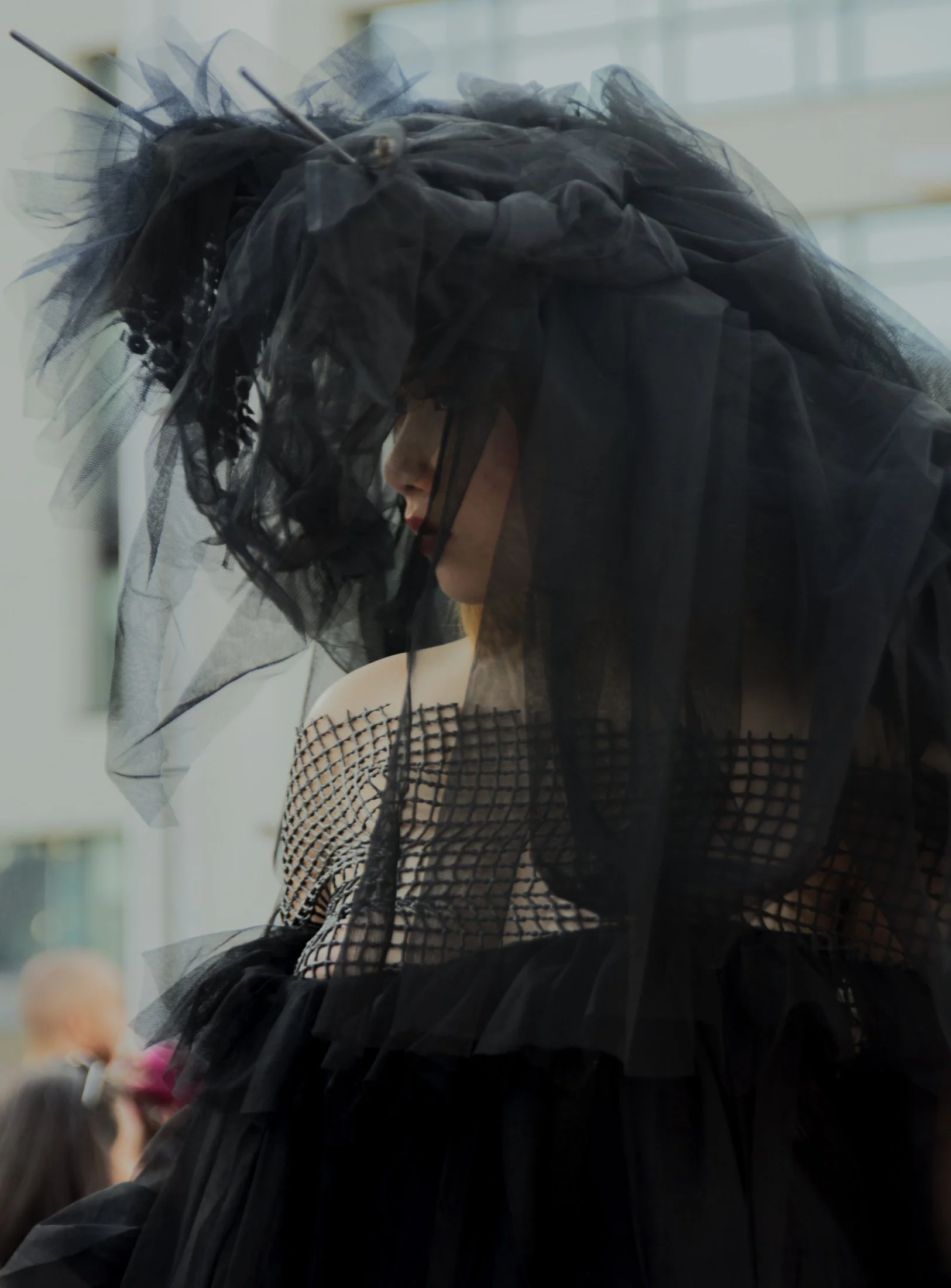
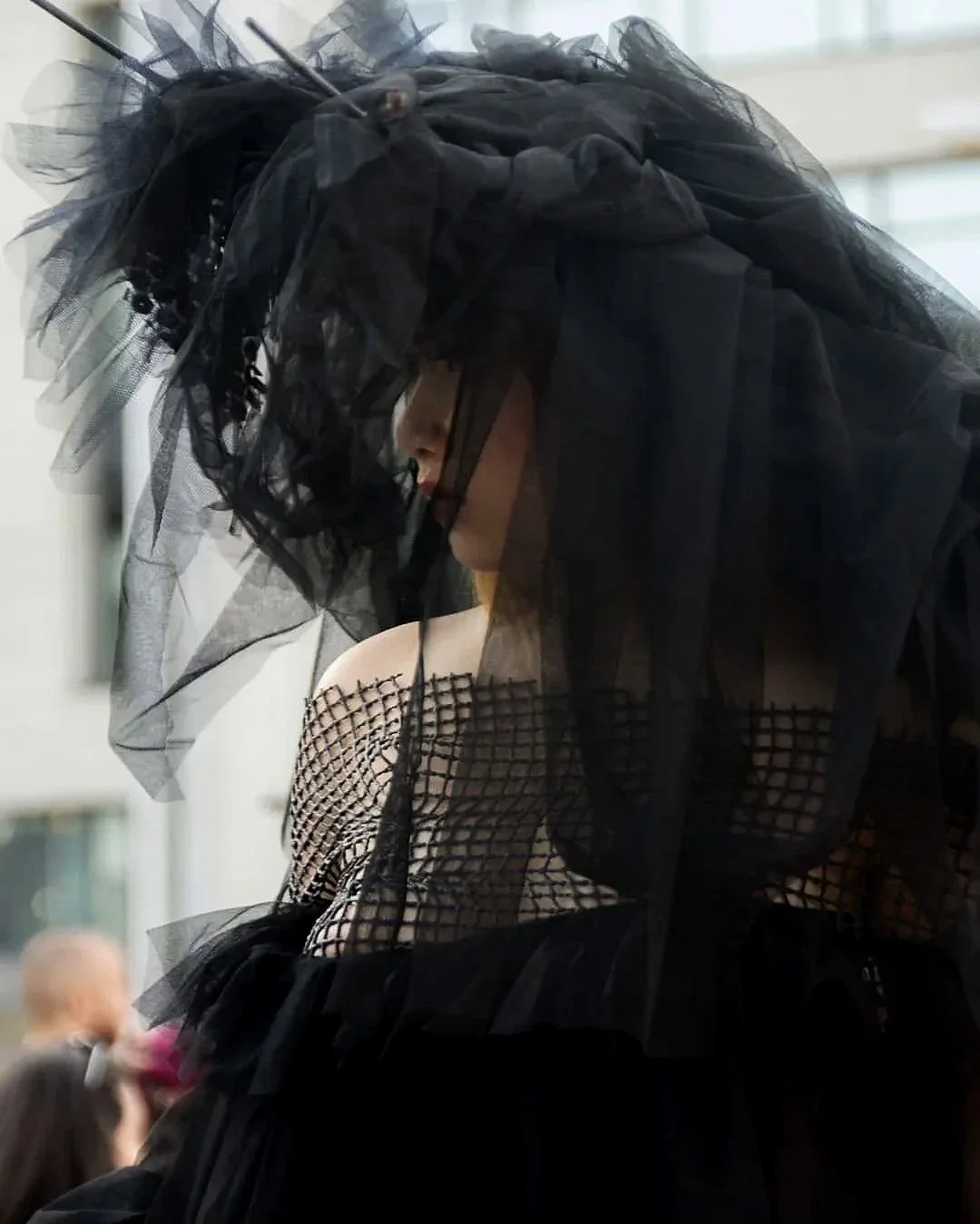

Of Persian origin and Swedish nationality, Zara Saberi is a Fashion Designer, Textile Artist, and Editor-in-Chief of DIBA, an international magazine rooted in Iranian culture. She prefers to describe herself as a Borderless Creator, working across fashion, textiles, and visual expression.
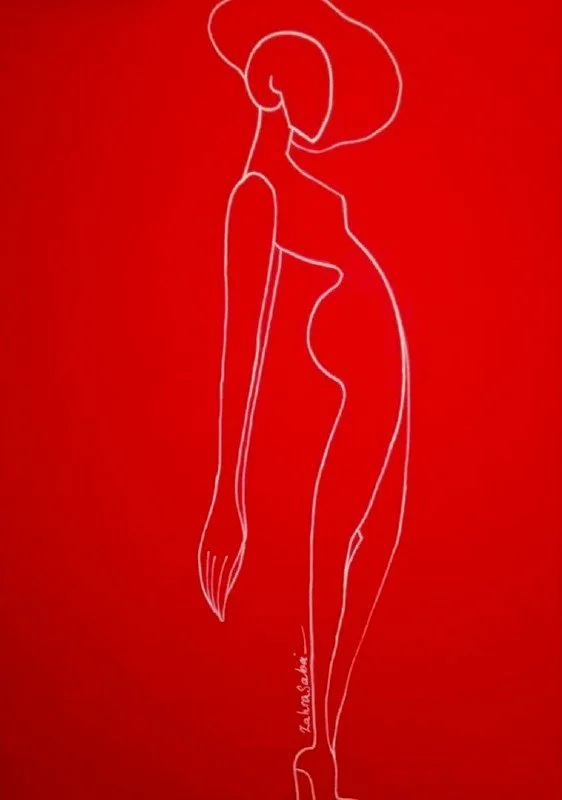
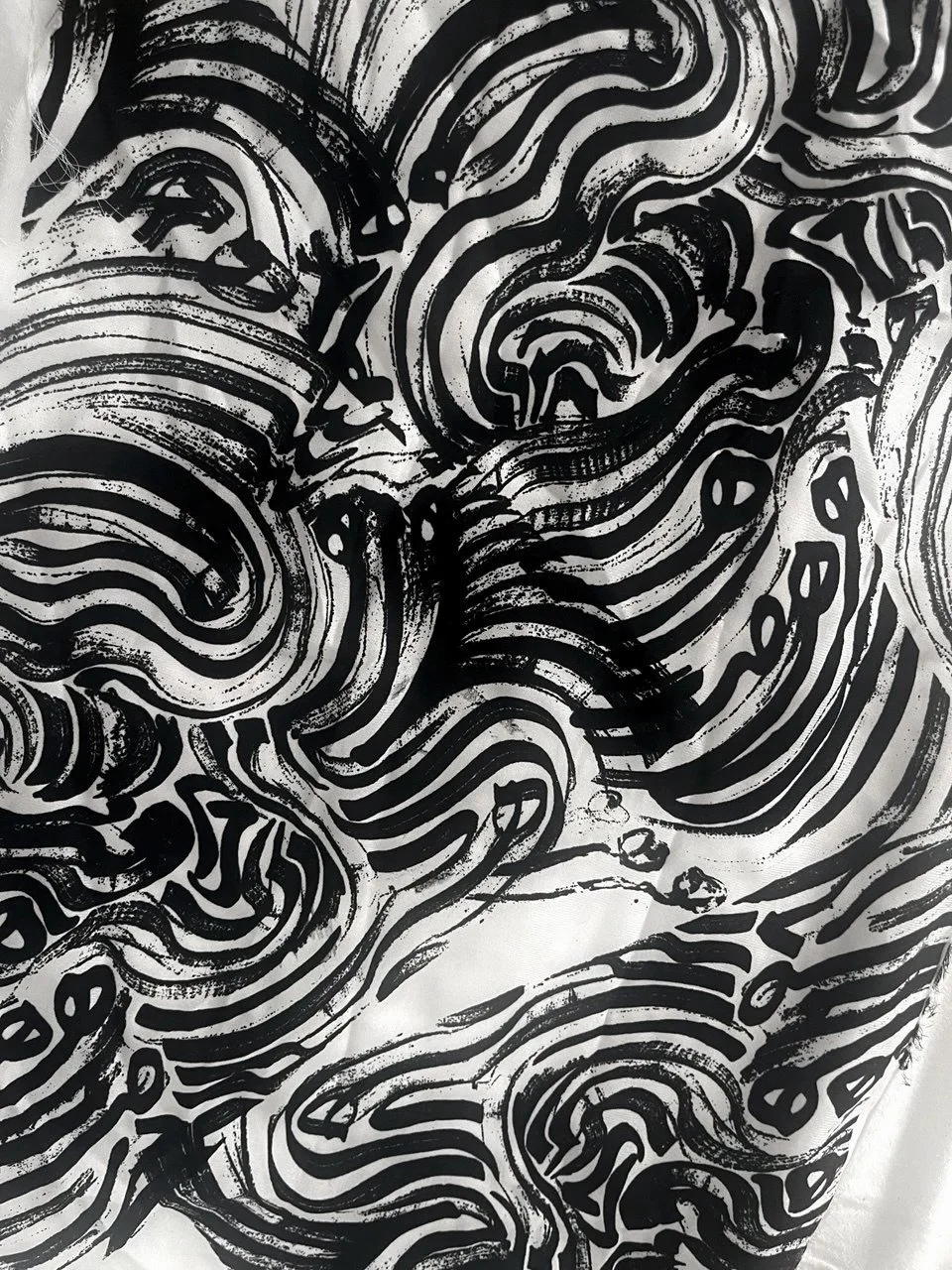
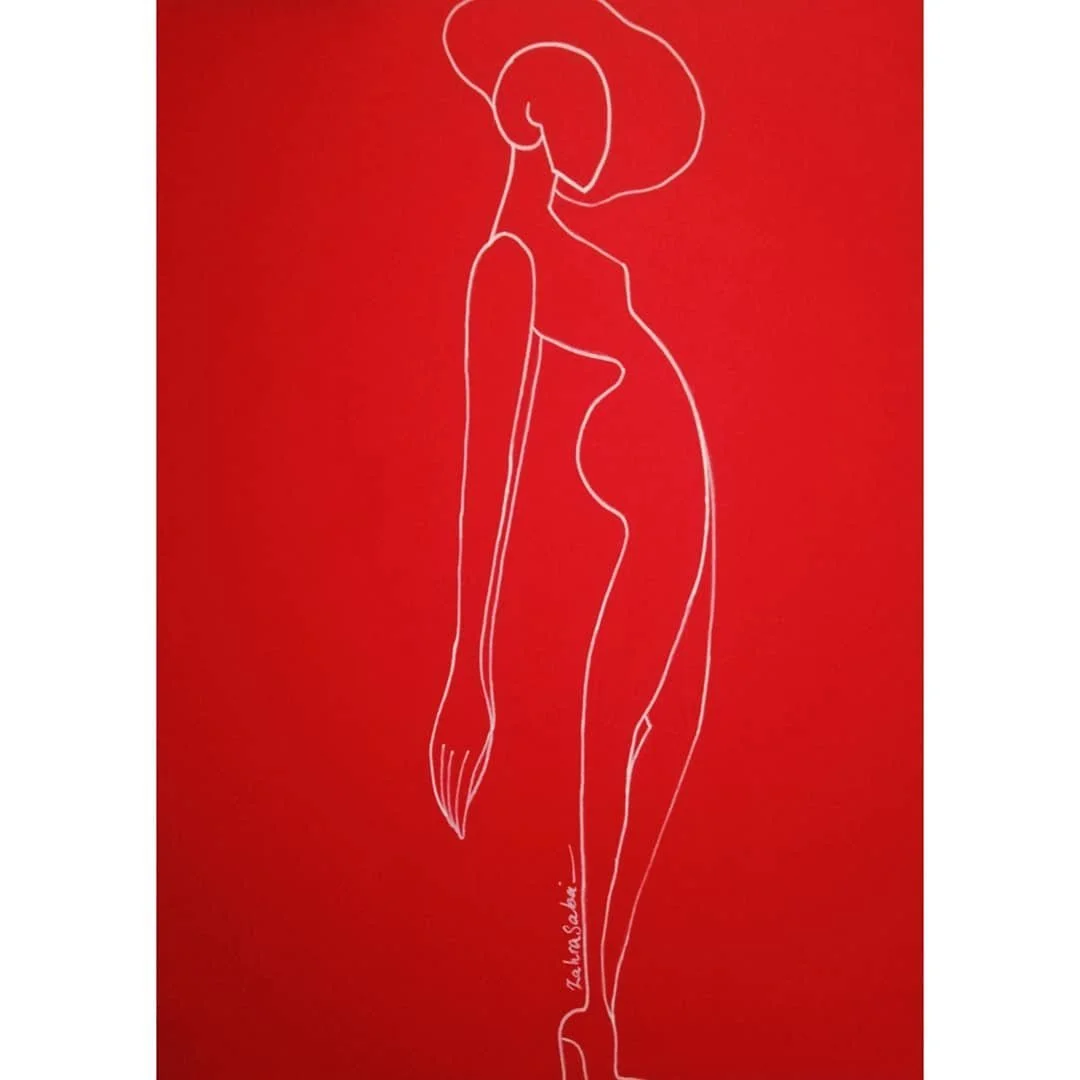
Her work gradually shifted from ornamental Persian influences toward a reduced and conceptual visual language.
She later completed a Bachelor's degree in textile and fashion design, specializing in pattern-making and fabric development.
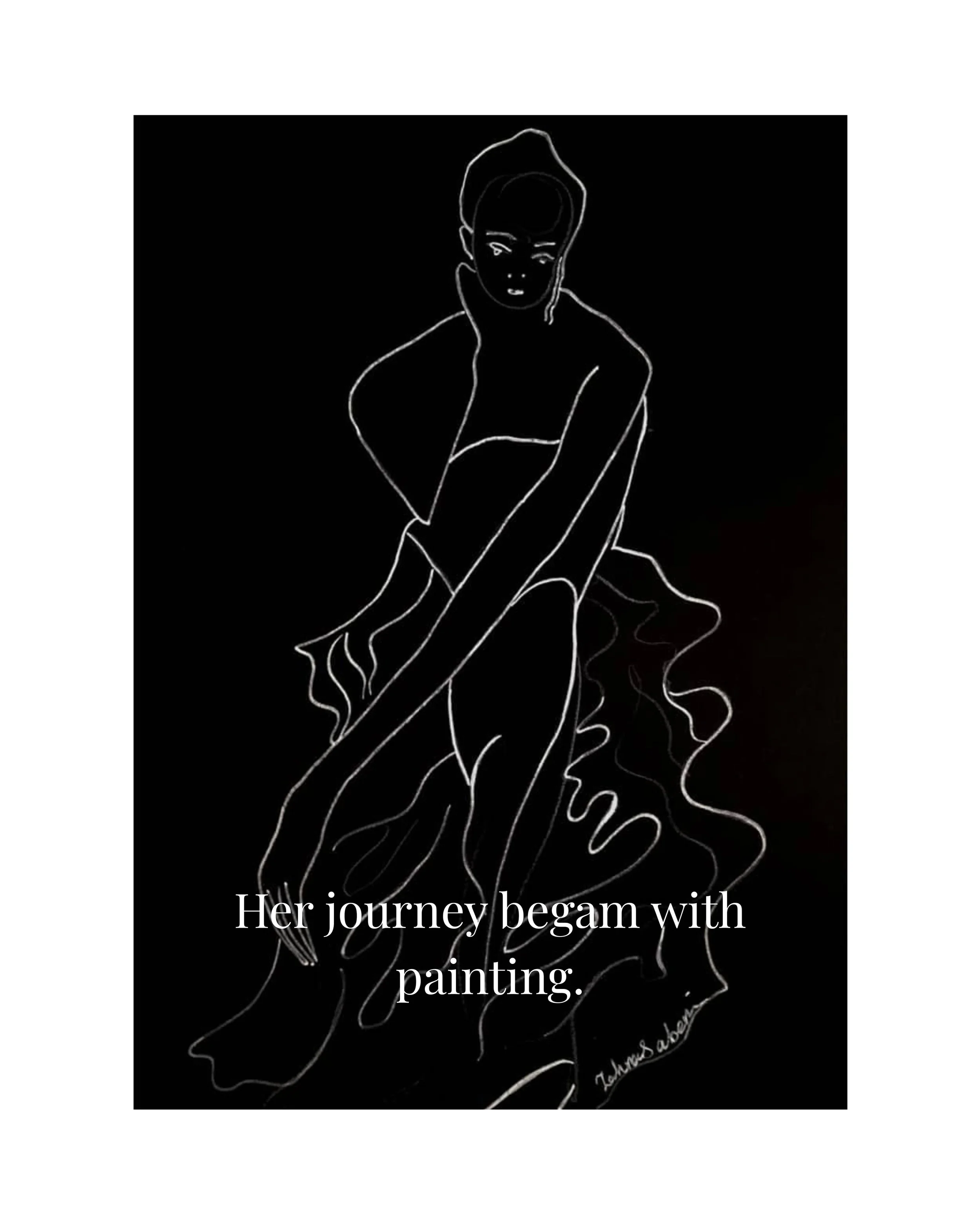
Between the ages of fifteen and twenty, she received formal training in fine arts, focusing on painting, where her sensitivity to color, material, and form first developed.
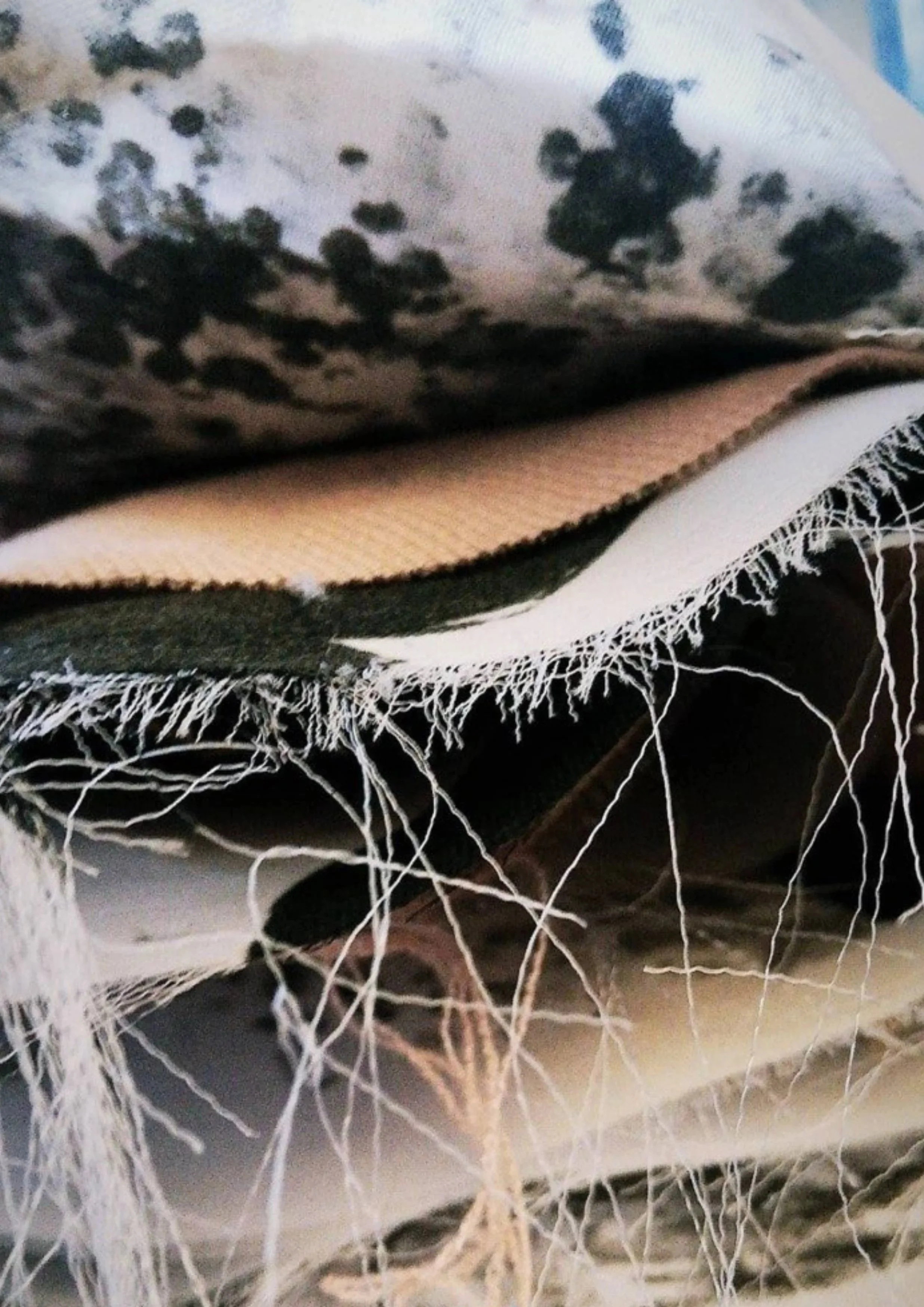
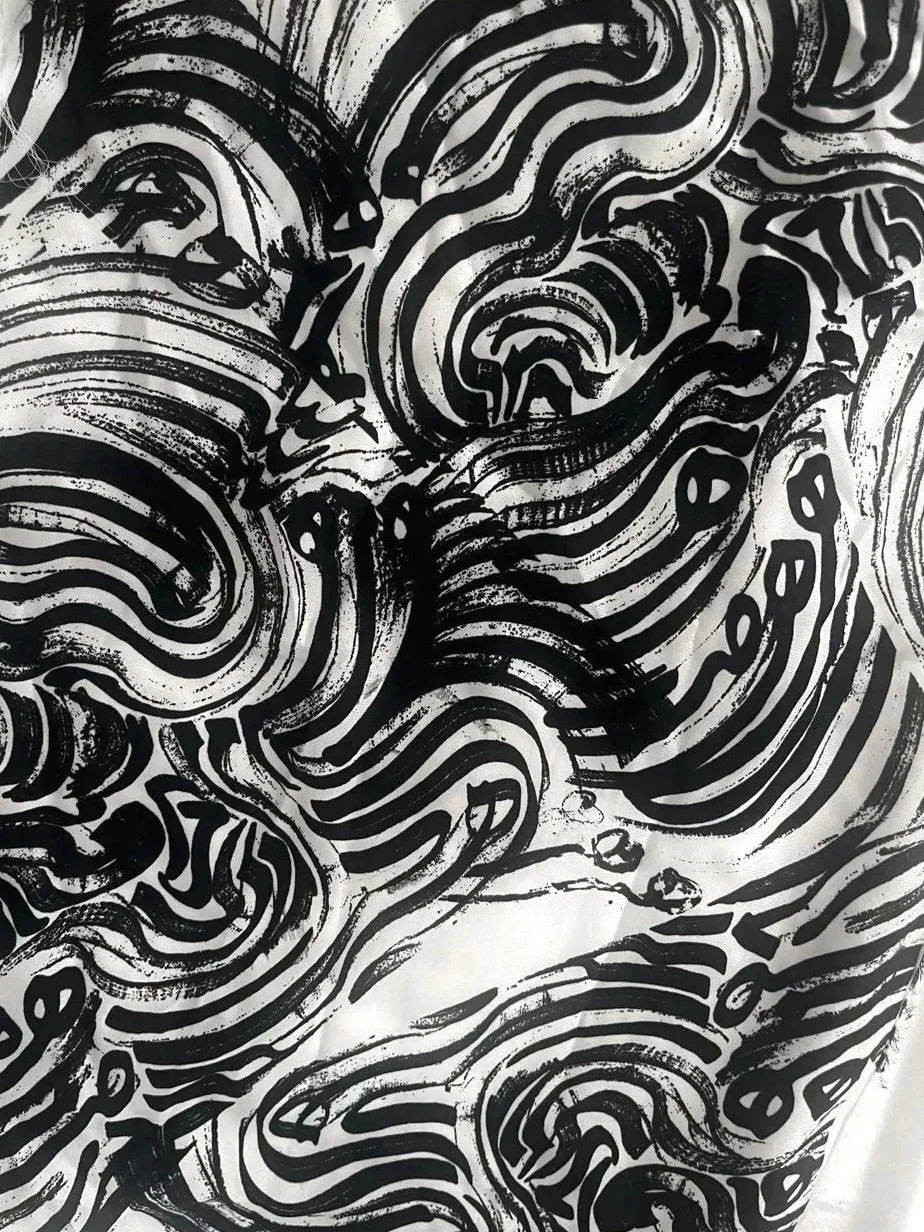
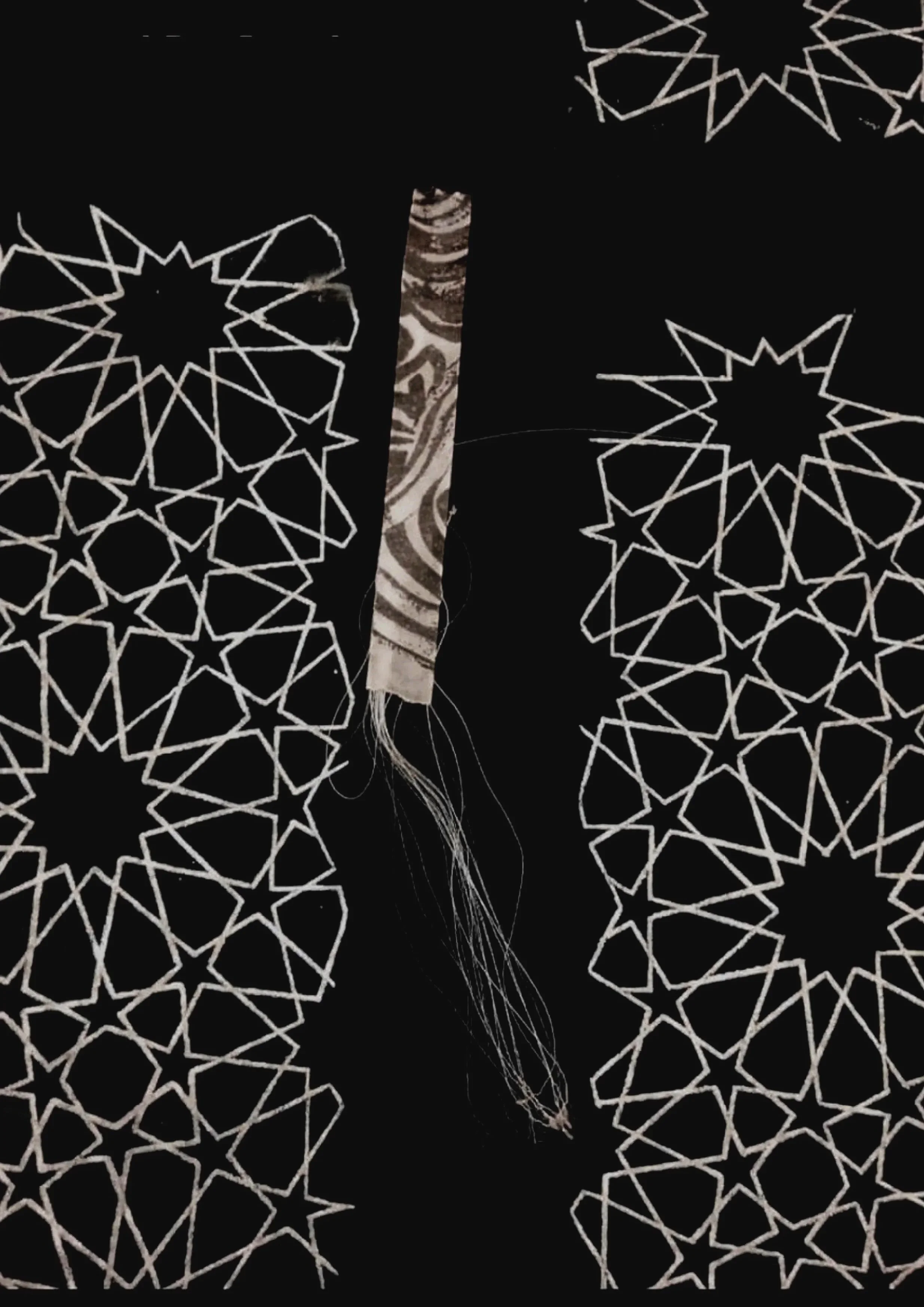
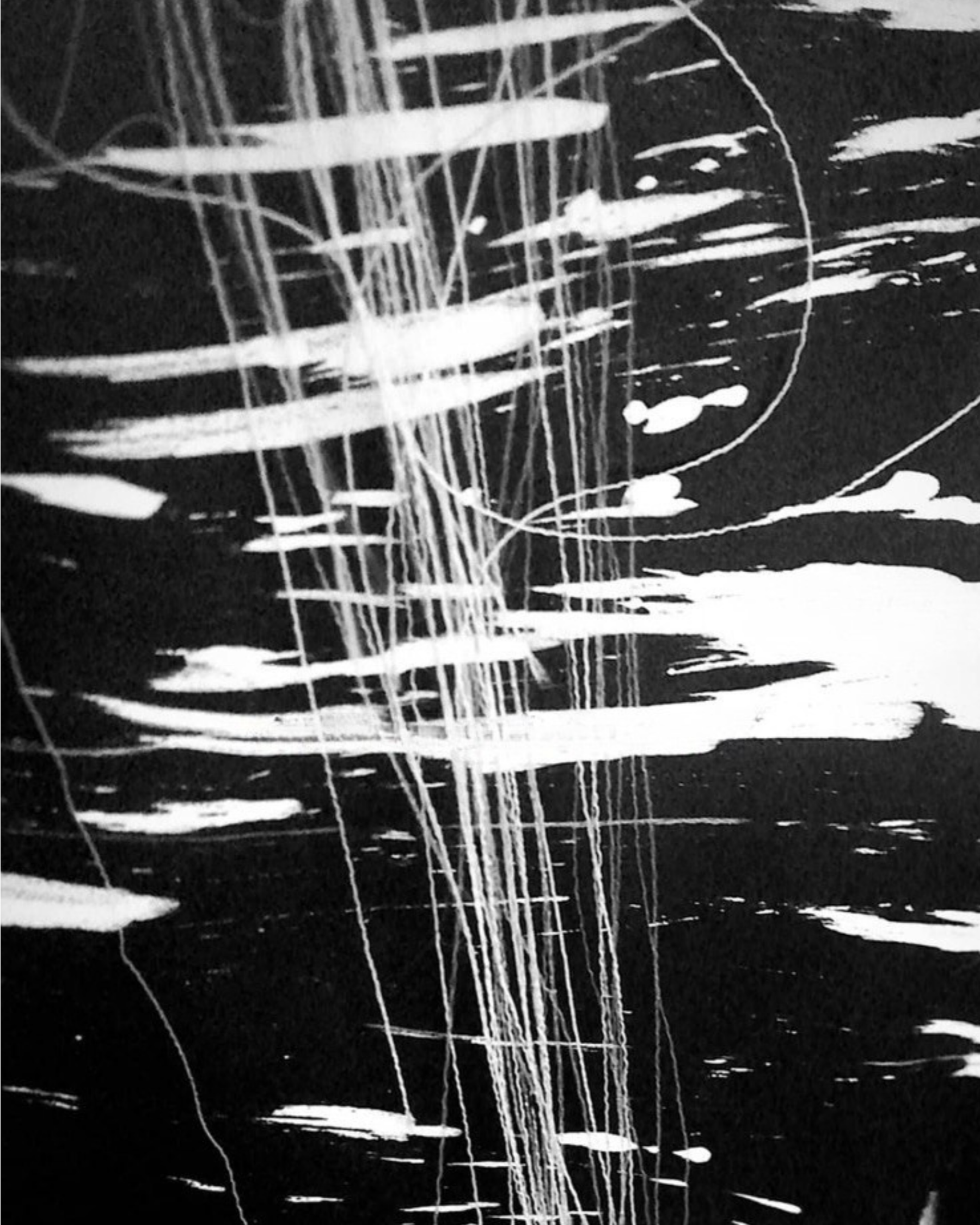
She later completed a Bachelor's degree in textile and fashion design, specializing in pattern-making and fabric development.
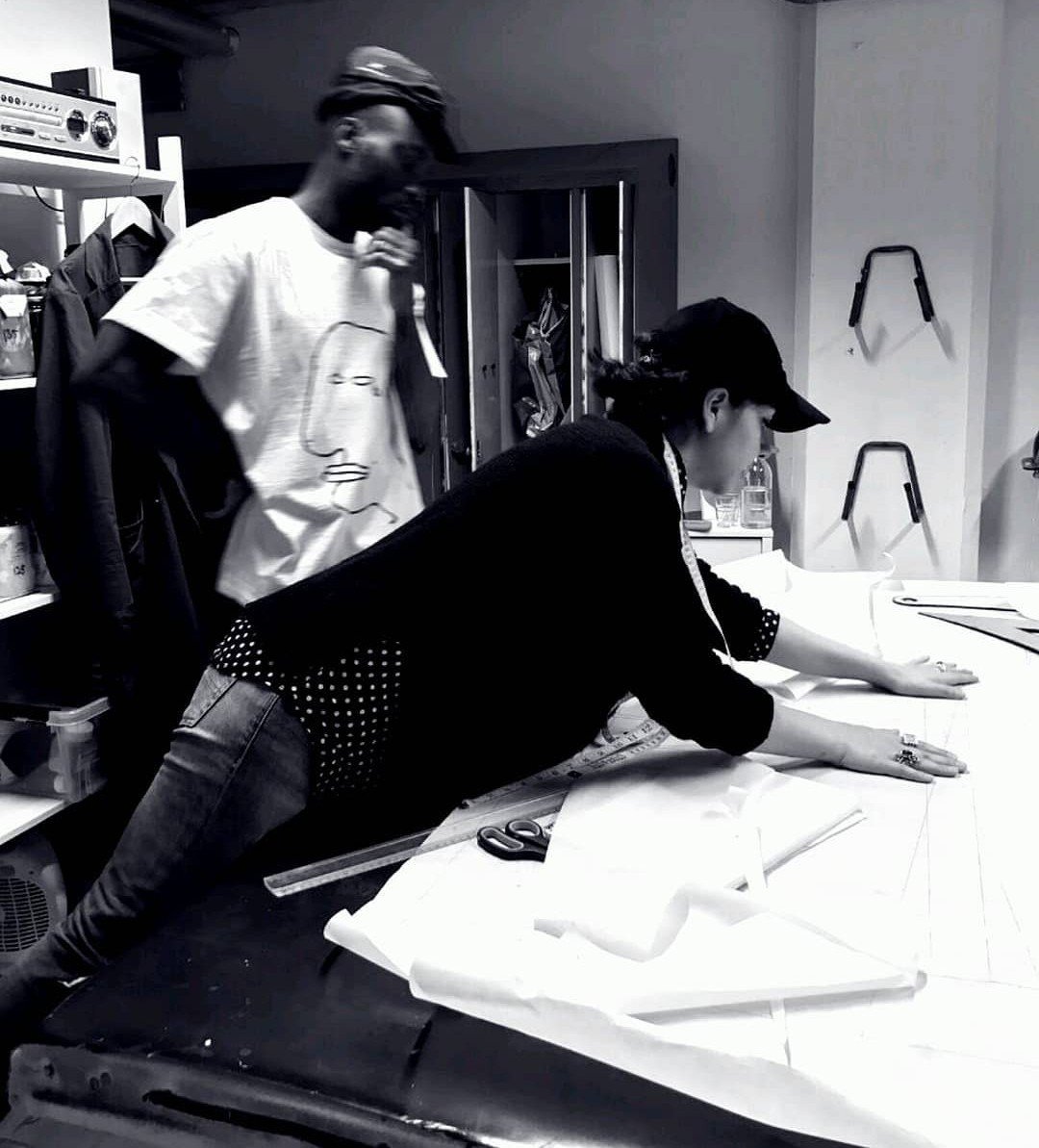
As she describes it, “making patterns felt like preparing myself for a struggle, while exploring textiles was an endless, tireless process.”
Later in Sweden, she studied Product Development Design , expanding her practice beyond garments and deepening her understanding of concept, production, and audience.
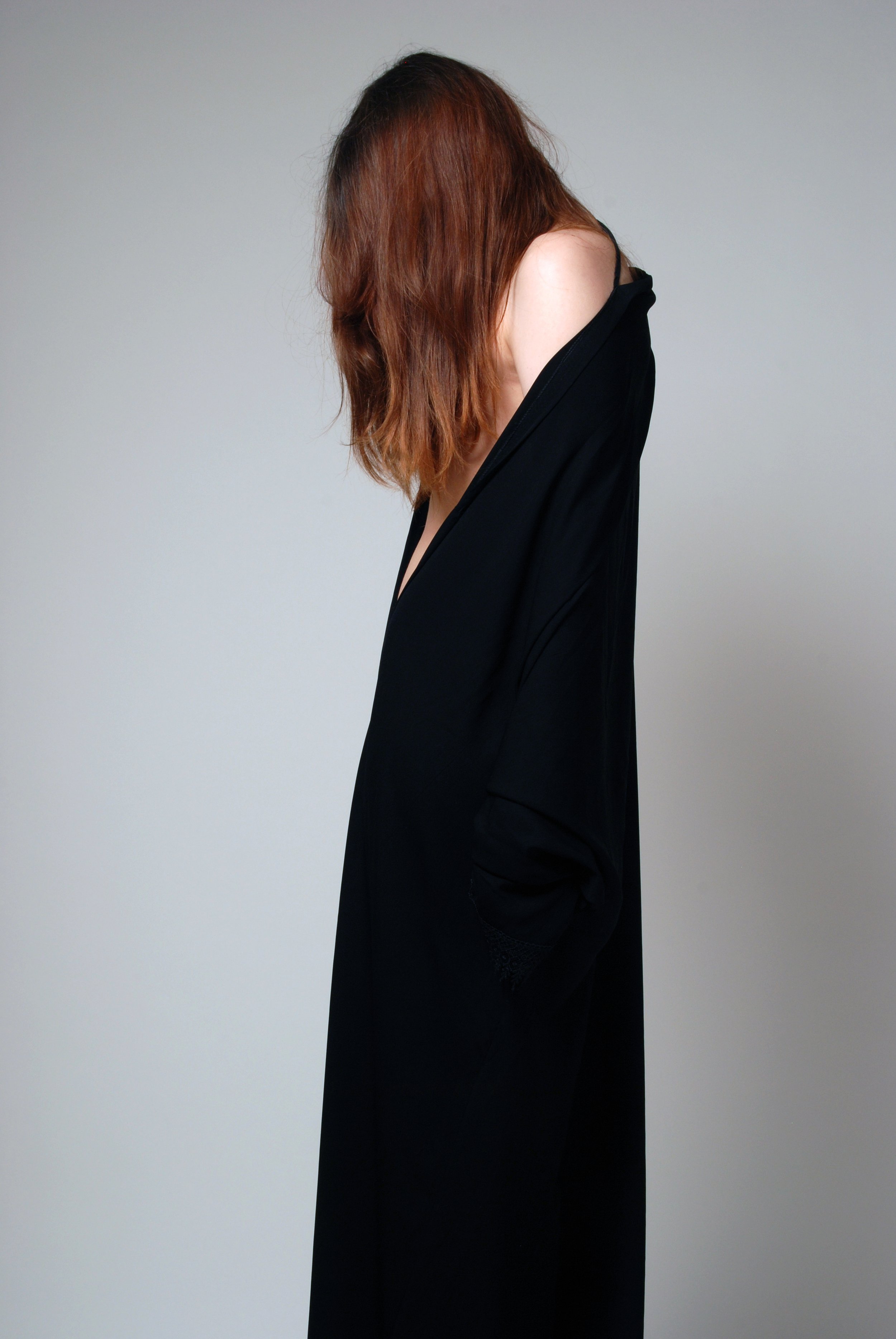
Italy marked a turning point in her relationship with fashion. Garments became spaces for transformation and experimentation rather than finished decorative objects.
Her work gradually shifted from ornamental Persian influences toward a reduced and conceptual visual language.
While in Milan, she received an award in the
national competition
Fashion in Fibre Recovery, and her work was presented at Triennale Milano Museum, marking an early international recognition of her practice.

Her professional path has taken her alongside Agatha Ruiz de la Prada in Madrid in 2016,and as an assistant to Juan Carlos Mesa, creative director of Maison Mesa,in 2017.
Since 2018, she has collaborated with Iranian filmmaker Mohammad Ravandi on several films, including Pizzicato and Der Gast.
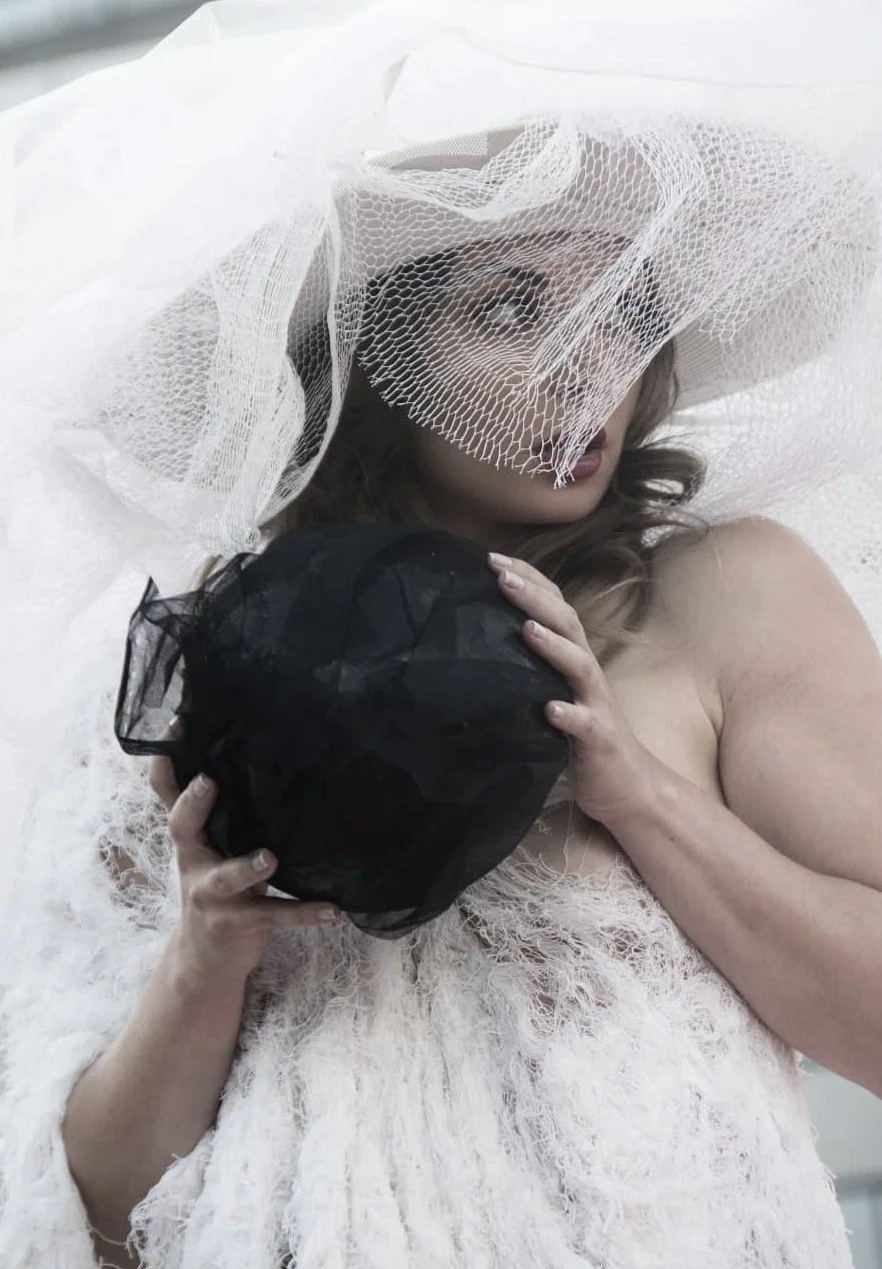
In Sweden, her practice has evolved through costume design at Nöjesteatern, design and product development with House of Saki, and visual merchandising at COS. Since 2019, she has also shaped the visual language of runway projects as an Art Director, bringing together fashion, design, space, and visual storytelling.
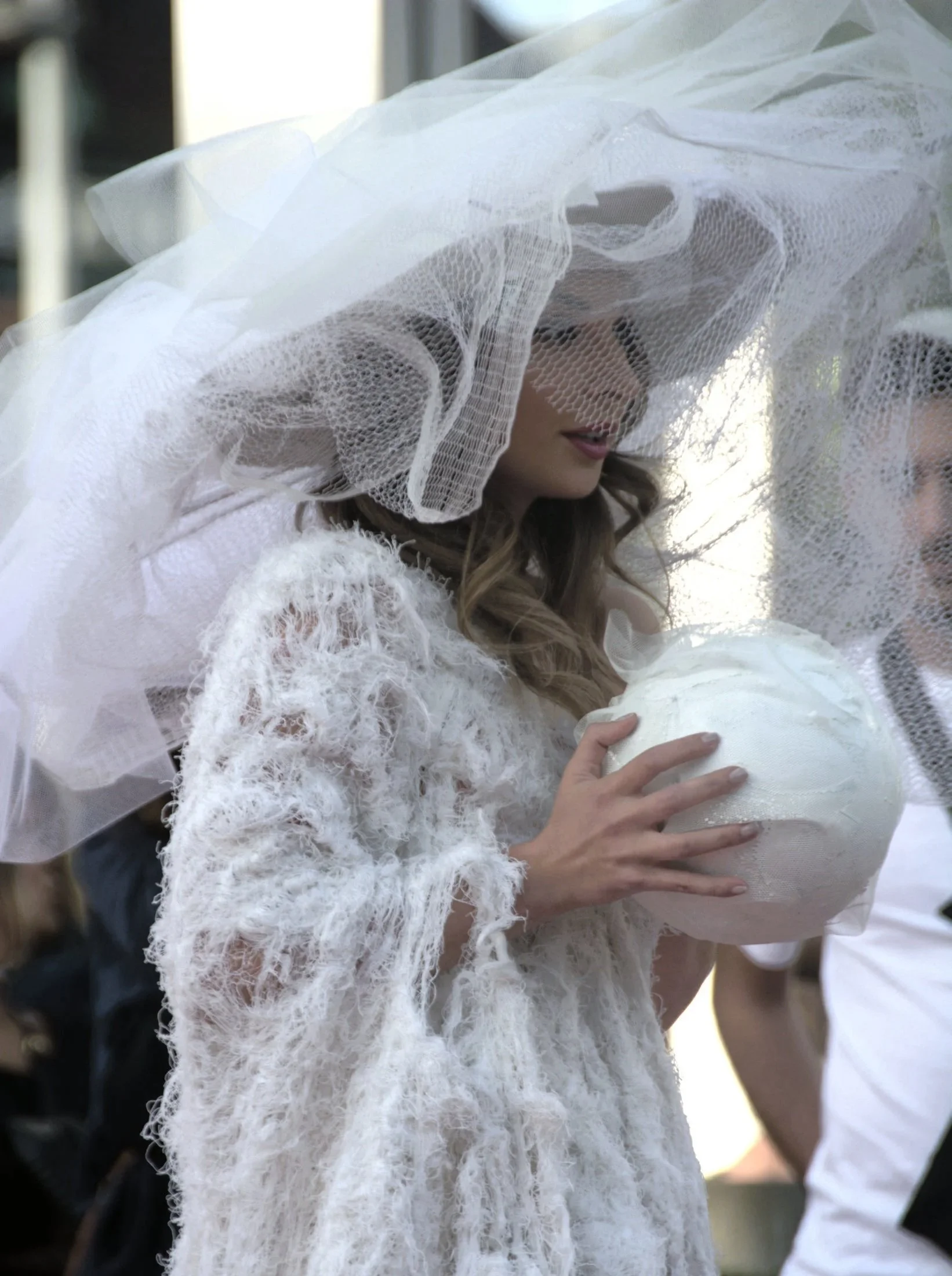
Later in Sweden, studying Product Development Design expanded her practice beyond the garment, deepening her understanding of concept, production, and audience.
Her practice remains a space of ongoing negotiation — between origin and displacement, material and meaning.